

Gardening Injures: The Hidden Strain Behind Spring Yard Work

Gardening places sustained stress on the body through repetitive, low-load movements performed over extended durations. Unlike acute injuries, gardening-related issues develop through cumulative fatigue and poor mechanics. The most affected regions are the lumbar spine, shoulders, and knees.

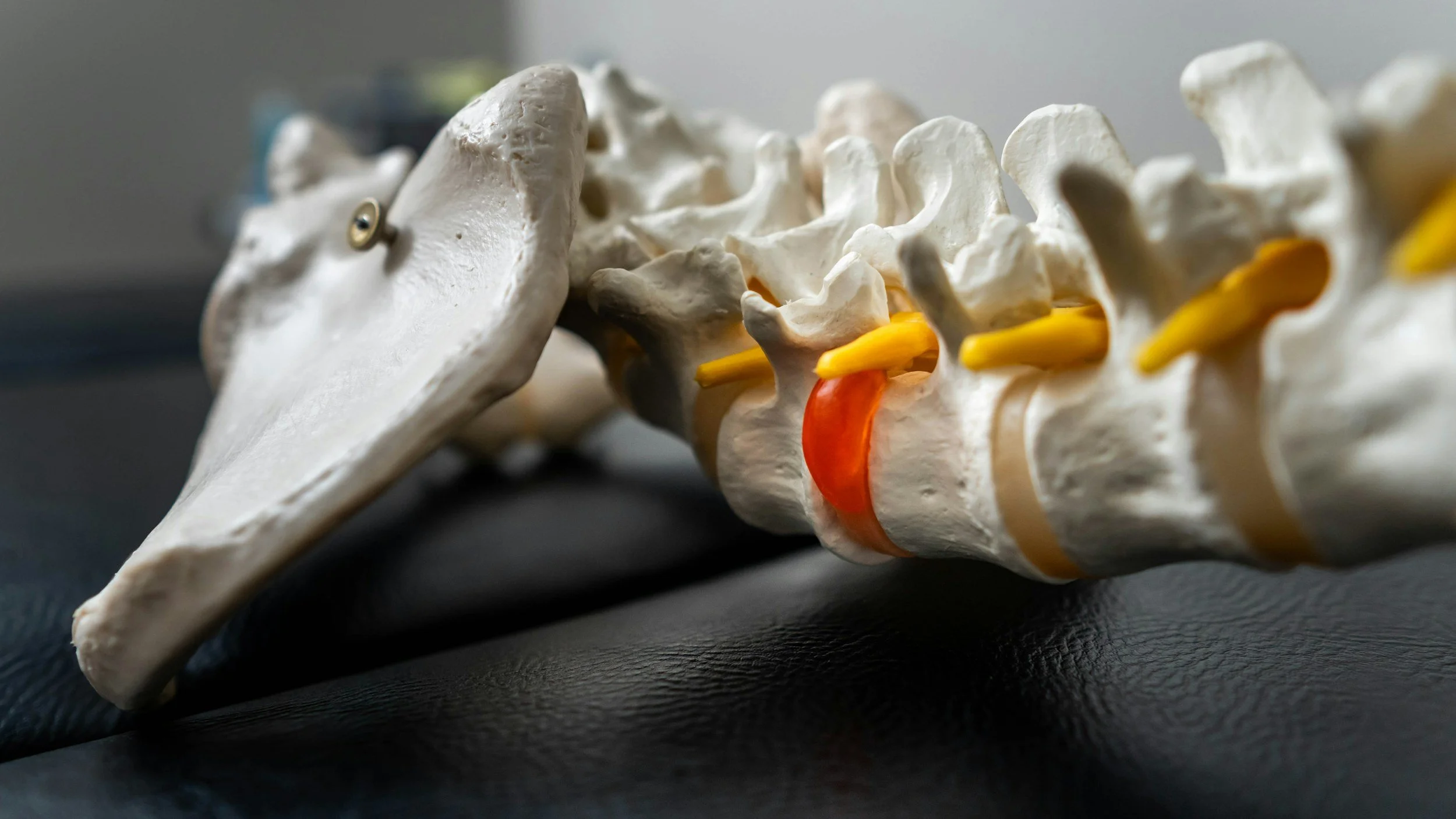
Lumbar flexion is the primary stressor. Prolonged bending increases disc pressure and reduces muscular support. Over time, this leads to fatigue-related instability and pain. Many patients rely on spinal flexion instead of hip hinging, significantly increasing injury risk.
Duration and repetition amplify risk. Working continuously without breaks leads to muscular fatigue, which reduces joint stability. Once stabilizers fatigue, passive structures—ligaments and discs—absorb more load, increasing injury likelihood.

Ergonomic adjustments reduce cumulative stress. Tool length, working height, and load positioning all influence biomechanics. Keeping loads close to the body reduces torque on the spine. Alternating sides during repetitive tasks prevents unilateral overload.
Recovery strategies determine whether strain resolves or progresses. Immediate post-activity mobility and light movement restore circulation and reduce stiffness. Ignoring early warning signs leads to chronic low back or shoulder conditions.
Practical Application (Injury Prevention Strategies)
Hip Hinge Drill (2–3 sets of 10)
Trains proper bending mechanics using hips, not spineStanding Back Extensions (10 reps every 30–45 min)
Reverses prolonged flexion stressFarmer Carry (light load, 30–45 sec)
Builds core stability and load toleranceScapular Retractions (2–3 sets of 12)
Supports shoulder endurance during repetitive tasksWork/Rest Structure
30–45 min work, 5–10 min mobility/reset
References
da Costa, B. R., & Vieira, E. R. (2010). Am J Ind Med, 53(3), 285–323.
Lis, A. M., et al. (2007). Eur Spine J, 16(2), 283–298.
van Dieën, J. H., et al. (1999). J Biomech, 32(5), 555–561.
Punnett, L., & Wegman, D. H. (2004). J Electromyogr Kinesiol, 14(1), 13–23.
McGill, S. (2002). Low Back Disorders.
Callaghan, J. P., & McGill, S. M. (2001). Spine, 26(21), 2331–2336.