What Your Grip Can—and Can’t—Tell You About Healthy Aging
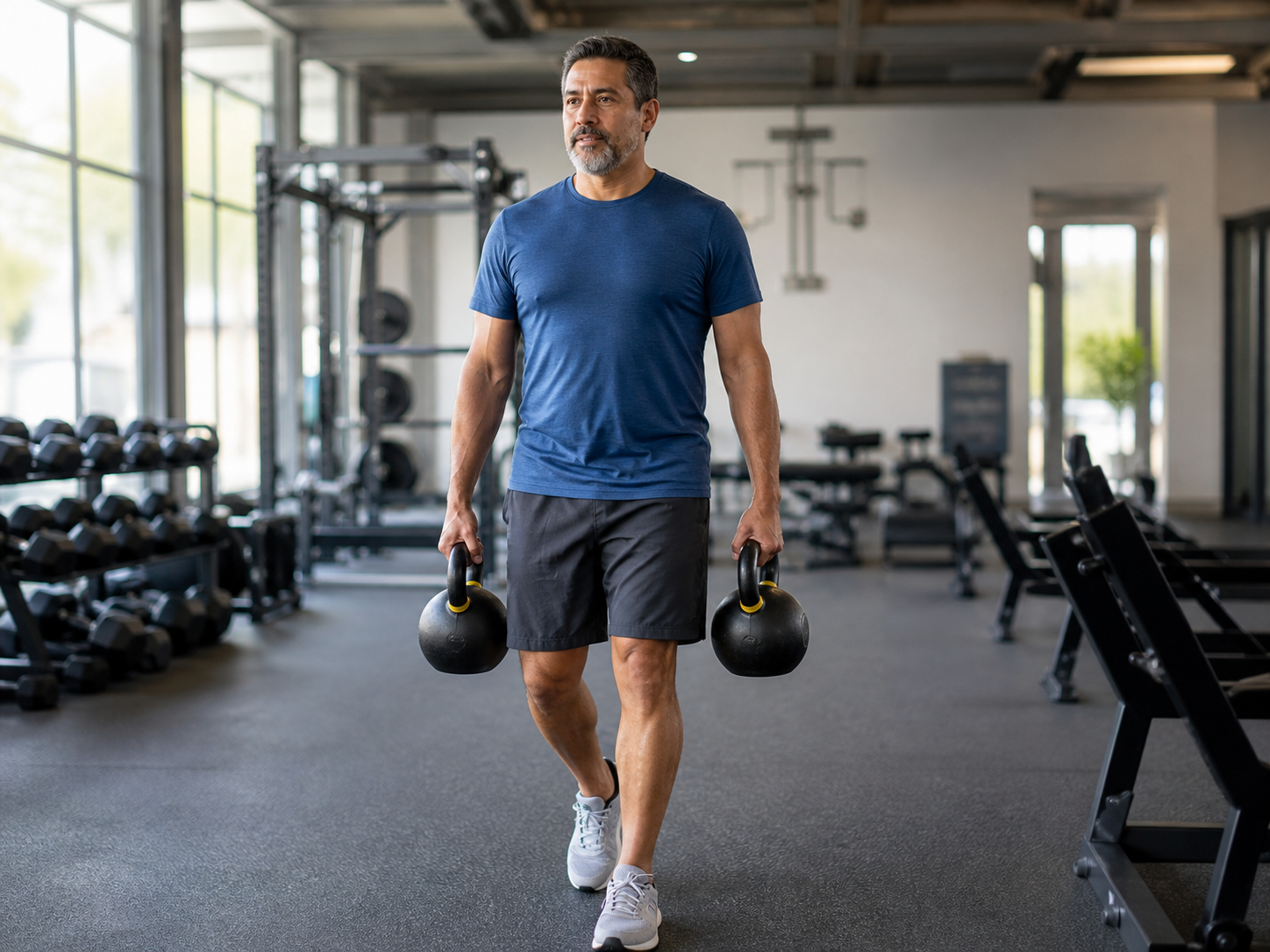
Opening a stubborn jar, carrying grocery bags, lifting a suitcase: grip strength shows up in ordinary life long before most of us think of it as a health measure. Researchers, however, have studied it for decades because a quick squeeze on a handheld dynamometer can offer a useful snapshot of overall strength and physical reserve.

Fiber: The Everyday Nutrient That Does Much More Than Keep You Regular
Fiber does much more than support digestion. Learn how fiber-rich foods contribute to gut health, cholesterol control, blood-sugar regulation, fullness and long-term health.

Sleep Consistency: Why Going To Bed At The Same Time Matters More Than You Think
Discover why maintaining a consistent sleep schedule may be just as important as getting enough sleep. Learn how regular bedtimes can improve heart health, metabolism, mood, and recovery.

Sunlight Exposure: Exploring It’s Benefits And Risks
Humans evolved under the sun, and our biology still depends on periodic light exposure. Without it, vitamin D synthesis plummets, circadian rhythms drift and mood disorders such as seasonal affective disorder become more common. Too much ultraviolet radiation, however, promotes skin cancer and premature aging. This overview explores how moderate, sensible sun exposure supports cardiovascular health, mental well‑being and daily rhythms while outlining strategies to limit harm.
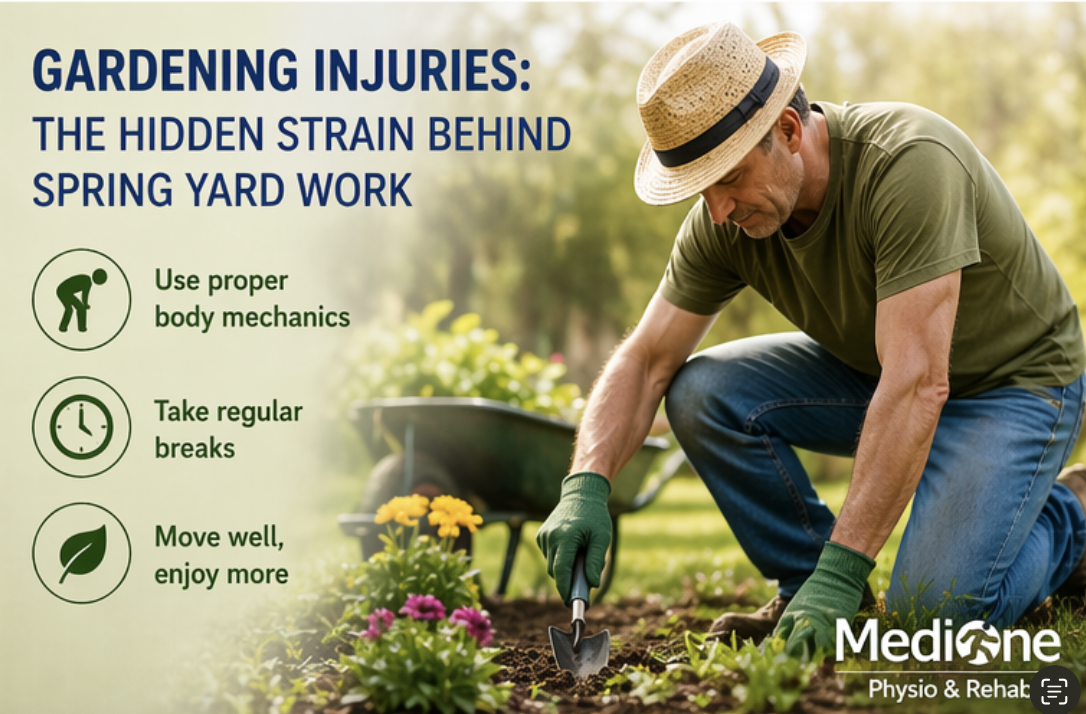
Gardening Injures: The Hidden Strain Behind Spring Yard Work
Gardening places sustained stress on the body through repetitive, low-load movements performed over extended durations. Unlike acute injuries, gardening-related issues develop through cumulative fatigue and poor mechanics. The most affected regions are the lumbar spine, shoulders, and knees.
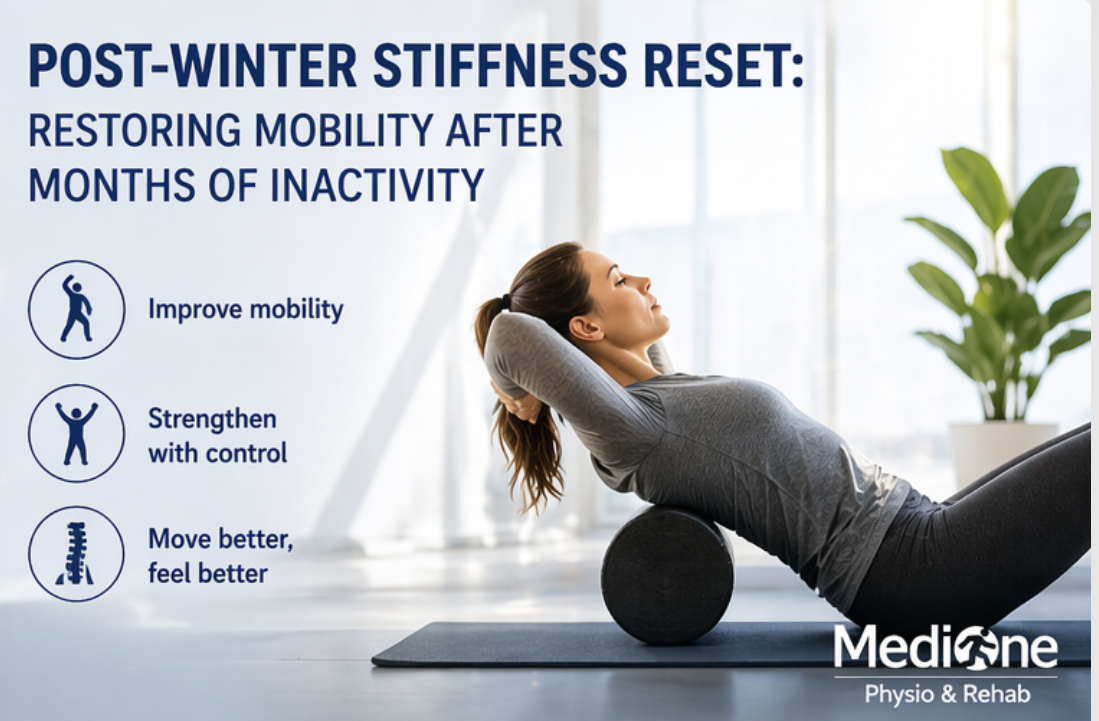
Post-Winter Stiffness Reset: Restoring Mobility After Months of Inactivity
Reduced winter activity alters both passive and active components of movement. Joint capsules stiffen, connective tissue loses elasticity, and neuromuscular coordination declines. The result is not just “tightness,” but a systemic reduction in movement efficiency.
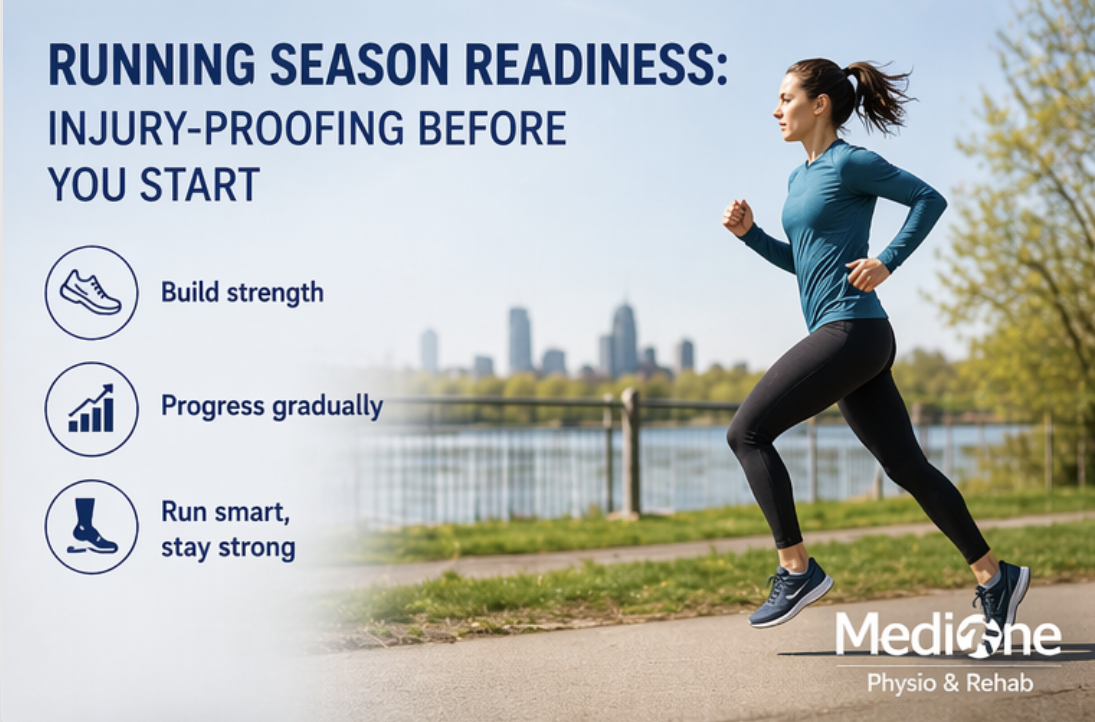
Running Season Readiness: Injury-Proofing Before You Start
Running is a high-impact, repetitive activity requiring coordinated load distribution across joints and tissues. Injury risk increases when mechanical inefficiencies combine with rapid increases in training volume. The most common conditions—patellofemoral pain, plantar fasciitis, Achilles tendinopathy—are all load management failures rather than isolated injuries.
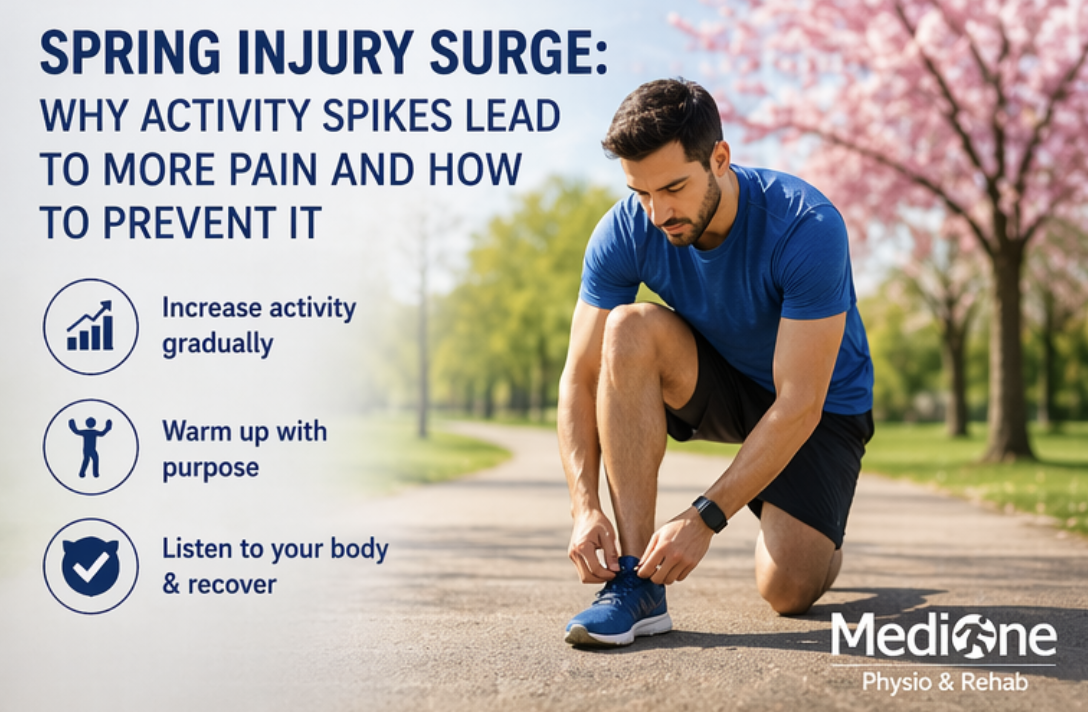
Spring Injury Surge: Why Activity Spikes Lead To More Pain And How To Prevent It
Spring consistently produces a predictable spike in musculoskeletal injuries. The primary driver is not the activity itself, but the rate of change in loading. During winter, overall movement volume drops—less walking, fewer sports, reduced variability in movement. This leads to decreased tendon stiffness, reduced neuromuscular coordination, and diminished joint stability. When activity resumes abruptly, tissues are exposed to forces they are no longer conditioned to tolerate.

Rehab After Immobilization: What Happens When You’re Benched
Cast immobilisation leads to joint capsule stiffness, cartilage loading deprivation, muscle atrophy and neural de-conditioning. Studies on ankle fracture rehabilitation show mixed outcomes for supervised exercise vs advice alone: e.g., Moseley et al. (2015) found no difference in activity limitation or quality of life between supervised exercise plus advice versus advice alone after isolated ankle fracture.

Physiotherapy and Winter Sports
Winter sports place unique and predictable stresses on the body that differ significantly from warm-weather or indoor activities. Cold temperatures reduce muscle elasticity, slow reaction time, and increase joint stiffness, while snow and ice introduce instability and high-velocity forces. Many winter sport injuries occur not because of poor skill, but because the body is unprepared for these conditions. Physiotherapy bridges this gap by preparing tissues for load, improving neuromuscular control, and addressing small deficits before they escalate into injuries that interrupt the season.

When Your Sleep Is Causing Your Pain
Sleep is conventionally regarded as a restorative process for the body, yet emerging evidence shows sleep posture, sleep quality and wake-spinal symptoms are tightly linked with musculoskeletal pain risk. Here at MediOne Physio & Rehab, we offer physiotherapy, chiropractic, massage/osteopathy and naturopathic support, recognition of sleep as a biomechanical and neuromuscular factor opens a valuable intervention pathway. This article summarises the research on sleep posture and musculoskeletal loading, explains how each discipline can intervene, and offers a structured framework for evaluation and management.

How Micro-Movements Prevent Big Injuries
In the context of musculoskeletal health, small, frequent corrective movements — or “micro-movements” — frequently get overlooked despite their potential to pre-empt larger injuries. Contemporary research emphasises neuromuscular control, biomechanics and movement quality as foundational to injury prevention. For a multidisciplinary practice like ours (physiotherapy, chiropractic, massage/osteopathy), integrating micro-movement strategies offers a proactive layer of care beyond simply reacting to pain or dysfunction. This article explores the evidence, explains how micro-movements operate across tissues and systems, and outlines how each discipline (physio, chiro, massage/osteopathy) plays a role.

Post-Menopausal Nutrition: Key Foods to Eat and Why
Menopause marks the end of ovarian estrogen production, triggering metabolic, skeletal, cardiovascular, and musculoskeletal shifts. Diet becomes a critical modulator of risk and quality of life in post-menopause. The right foods help preserve bone mass, reduce inflammation, support muscle, balance metabolism, and attenuate symptoms. The following four evidence-grounded themes illustrate which foods matter most and why, concluding with practical recommendations.

Seasonal Immune Support: Holistic Tips Beyond Winter
The immune system is a complex, highly adaptive network of organs, cells, and biochemical processes that protects the body from infections and supports long-term health (Chaplin, 2010). While people often focus on immunity only during the colder months, factors such as stress, inadequate nutrition, environmental toxins, poor sleep, and seasonal changes can weaken immune defenses year-round. A weakened immune system not only increases susceptibility to colds and flu but can also slow recovery from injuries and chronic conditions. Proactively supporting your immune system with a holistic approach helps maintain balance, improve resilience, and sustain optimal health at any stage of the year.

Integrative Strategies for Managing Anxiety & Stress
Anxiety and stress are among the most prevalent health concerns globally, affecting both mental well-being and physical health. These conditions can contribute to cardiovascular issues, weakened immunity, and reduced quality of life (Chand et al., 2020). While conventional treatments such as medication and psychotherapy are effective, integrative approaches that combine these with complementary therapies offer additional benefits.

Stay Healthy on the Go: Travel Tips For A Safe & Happy Trip
Whether you're gearing up for a summer getaway or a cross-country business trip, travel can take a toll on your body. Long hours in transit, repetitive movements, and changes to your daily routine can lead to muscle stiffness, joint pain, or even long-term discomfort. The good news? A few simple ergonomic strategies can make your journey healthier, more comfortable, and injury-free.

Matcha Love
At MediOne Physio & Rehab, we believe wellness extends beyond the treatment room—it’s in the habits, rituals, and nourishment that support your daily life. One such powerhouse? Matcha. This vibrant green tea powder is packed with nutrients that enhance energy, focus, and overall health. Let’s explore what makes matcha more than just a trendy drink.

Battling Summer Heat: How to Stay Healthy with Exercise & Diet
Summer’s warmth beckons us outdoors—but when the heat climbs, it can challenge our bodies in ways we don’t expect. Properly managing exercise, hydration, and nutrition during hot weather isn’t just about comfort: it's essential to stay safe, maintain performance, and support long-term health. At MediOne Physio, we blend evidence-based strategies with practical guidance to help you enjoy summer fully, without sacrificing wellbeing.

Mind Over Pain: How Psychotherapy Supports Chronic Pain Relief
Chronic pain affects not only the body, but also the mind. Individuals dealing with long-term pain often experience anxiety, depression, sleep disturbances, and social withdrawal. Fortunately, psychotherapy—often thought of solely as a treatment for emotional concerns—is proving to be an essential part of holistic pain management.

How Can Omega-3’s Help Me?
Omega-3 fatty acids are essential fats that play a crucial role in overall health. While they can
be obtained through diet, supplementation is often recommended to ensure adequate intake.