

Physiotherapy and Winter Sports
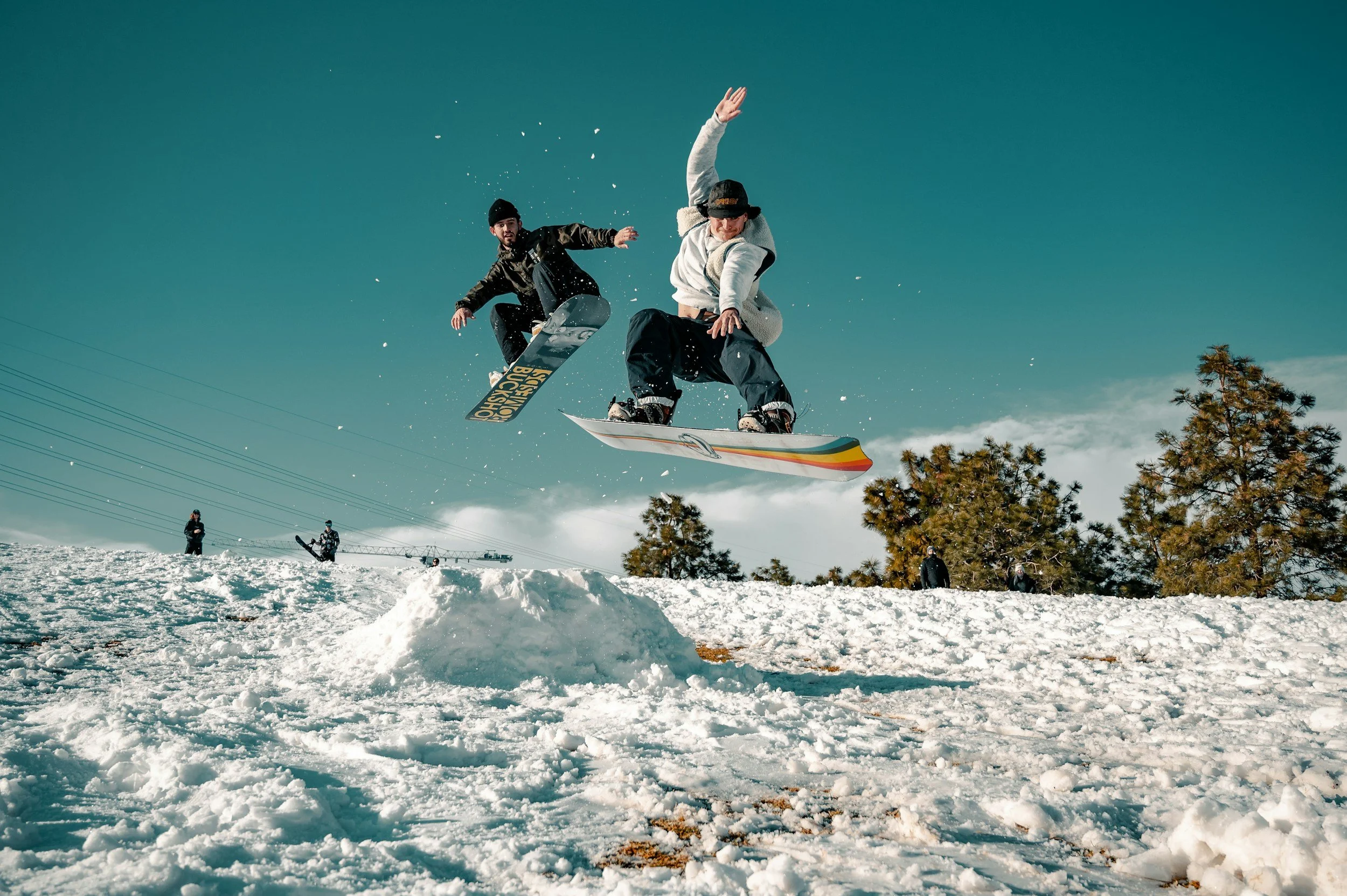
Winter sports place unique and predictable stresses on the body that differ significantly from warm-weather or indoor activities. Cold temperatures reduce muscle elasticity, slow reaction time, and increase joint stiffness, while snow and ice introduce instability and high-velocity forces. Many winter sport injuries occur not because of poor skill, but because the body is unprepared for these conditions.
Physiotherapy bridges this gap by preparing tissues for load, improving neuromuscular control, and addressing small deficits before they escalate into injuries that interrupt the season.
Injury Prevention Through Pre-Season Conditioning
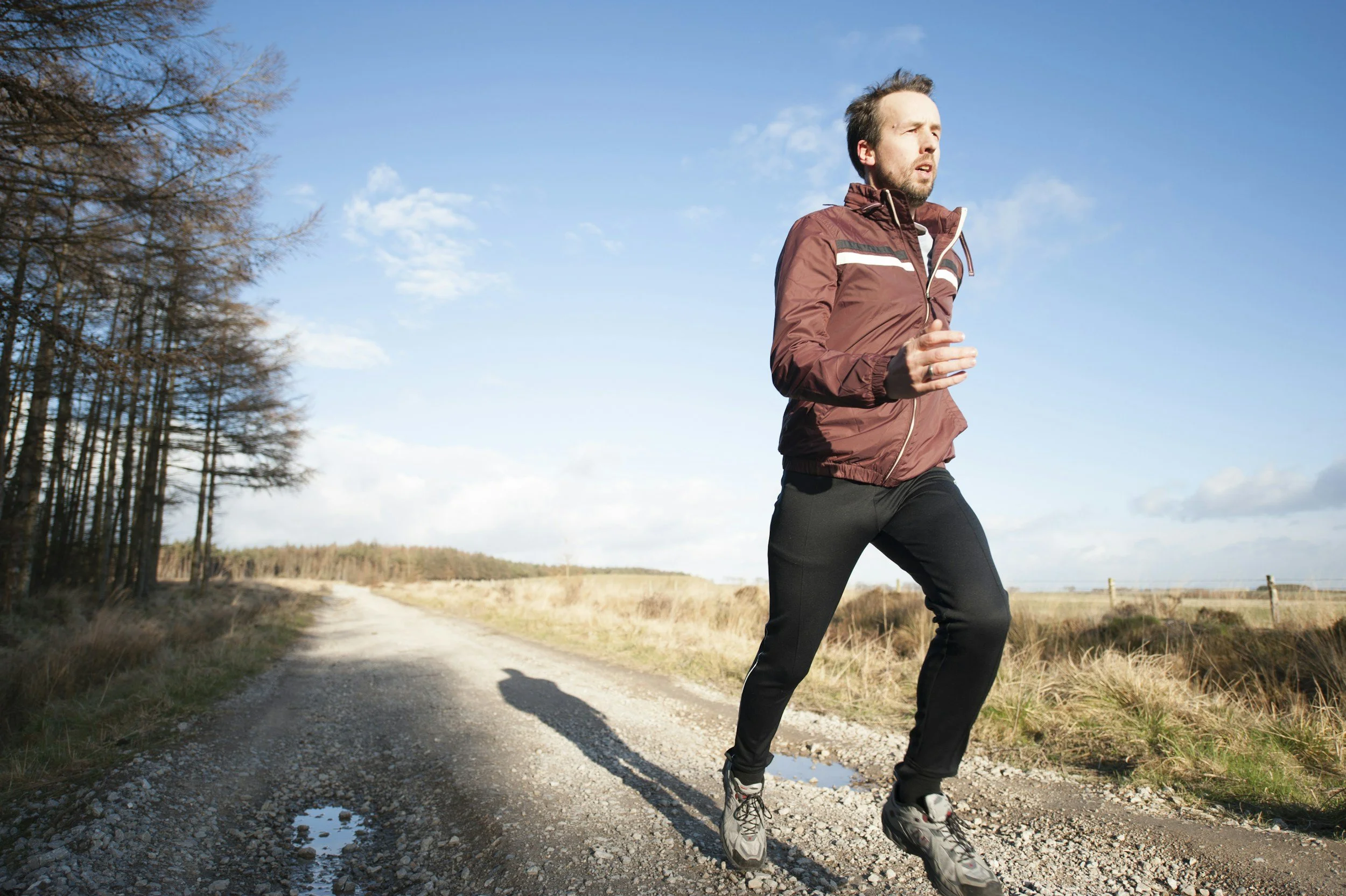
Pre-season physiotherapy conditioning focuses on building tolerance to the forces encountered during winter sports. Skiing and snowboarding place high eccentric loads on the quadriceps, gluteals, and hamstrings, while skating and hockey demand repeated single-leg push-offs and trunk stability.
Physiotherapy programs target strength imbalances, limited joint mobility, and poor movement patterns that increase ligament and cartilage stress.
Emphasis is placed on hip and core control to reduce knee valgus, controlled deceleration to protect the ACL, and ankle strength to improve edge control. Athletes who engage in structured conditioning demonstrate lower injury rates and improved endurance across the season.
Cold-Specific Warm-Up and Mobility
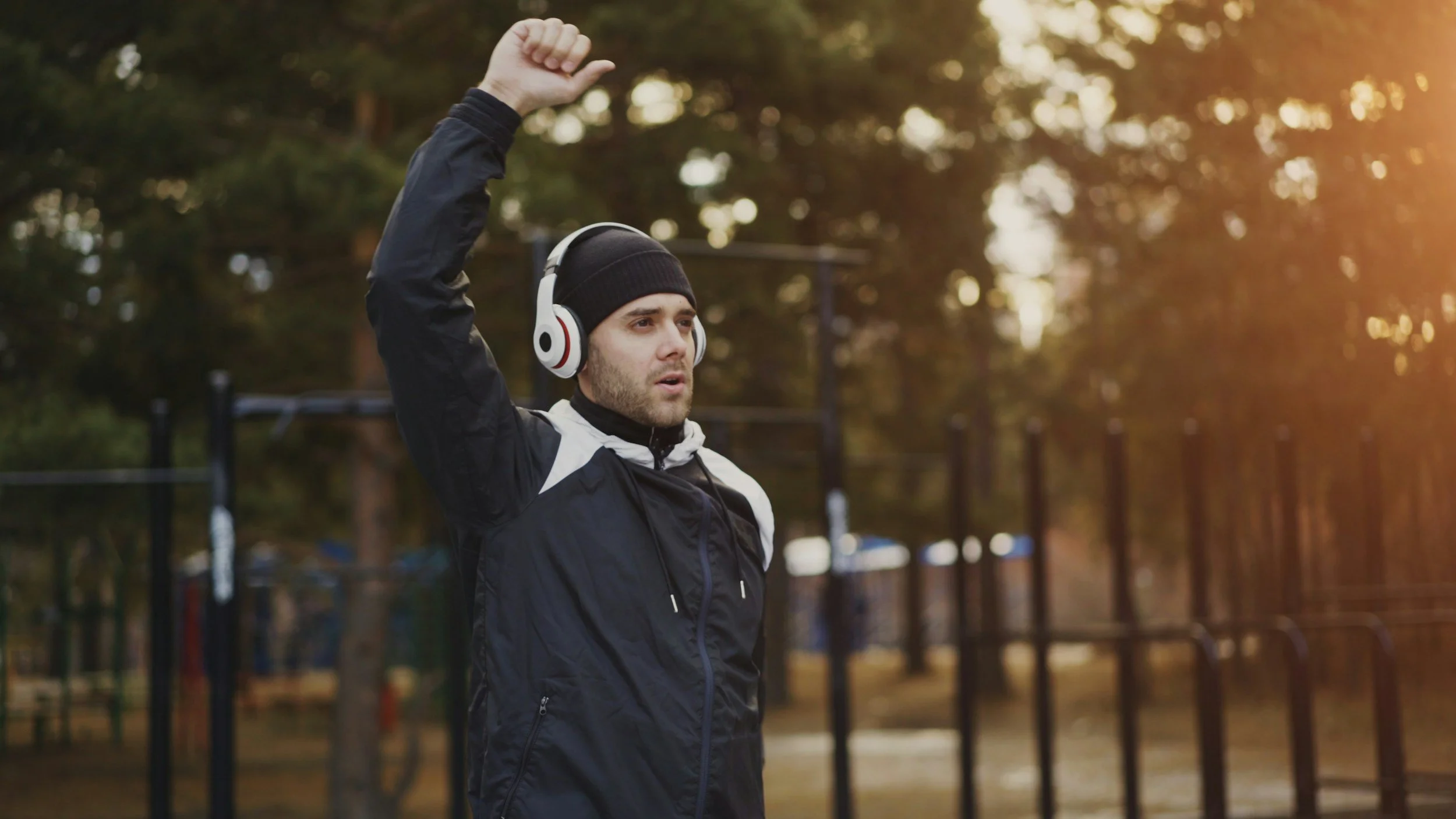
Cold-specific warm-ups are essential because muscles and connective tissue behave differently at lower temperatures. Entering winter sport activity without adequate preparation increases the risk of strains, tendon injuries, and sudden loss of balance. A physiotherapy-guided warm-up is progressive and purposeful, rather than rushed or static.
Examples of effective warm-ups include:
Temperature elevation: 5–10 minutes of light cardiovascular activity such as brisk walking, cycling, or easy skating to increase blood flow and tissue temperature.
Dynamic mobility: controlled leg swings, walking lunges with trunk rotation, ankle dorsiflexion drills, and squat-to-stand movements to improve joint range without reducing power.
Muscle activation: glute bridges, lateral band walks, calf raises, and single-leg hinge patterns to prime stabilizing muscles before loading.
Gradual sport exposure: starting with slower runs or laps before progressing to aggressive turns, jumps, or speed.
This approach reduces injury risk and improves coordination during early activity when most acute injuries occur.

Balance and Proprioception Training
Balance and proprioception are critical in winter sports due to constantly changing surfaces and external forces. Poor proprioception delays muscular response to slips or sudden terrain changes, increasing fall and ligament injury risk. Physiotherapy addresses this through progressive, task-specific balance training.
Examples of proprioceptive training include:
Static balance: single-leg standing with progression from stable ground to foam pads or wobble boards.
Sensory challenges: eyes-closed balance or head-turning tasks to reduce visual reliance.
Dynamic control: single-leg hops, lateral bounds, and controlled landings that mimic carving or skating mechanics.
Perturbation drills: unexpected pushes or resistance applied by a therapist to train reflexive stabilization.
Consistent balance training improves joint position awareness, reduces falls, and enhances overall movement confidence on ice and snow.
Management of Common Winter Sports Injuries
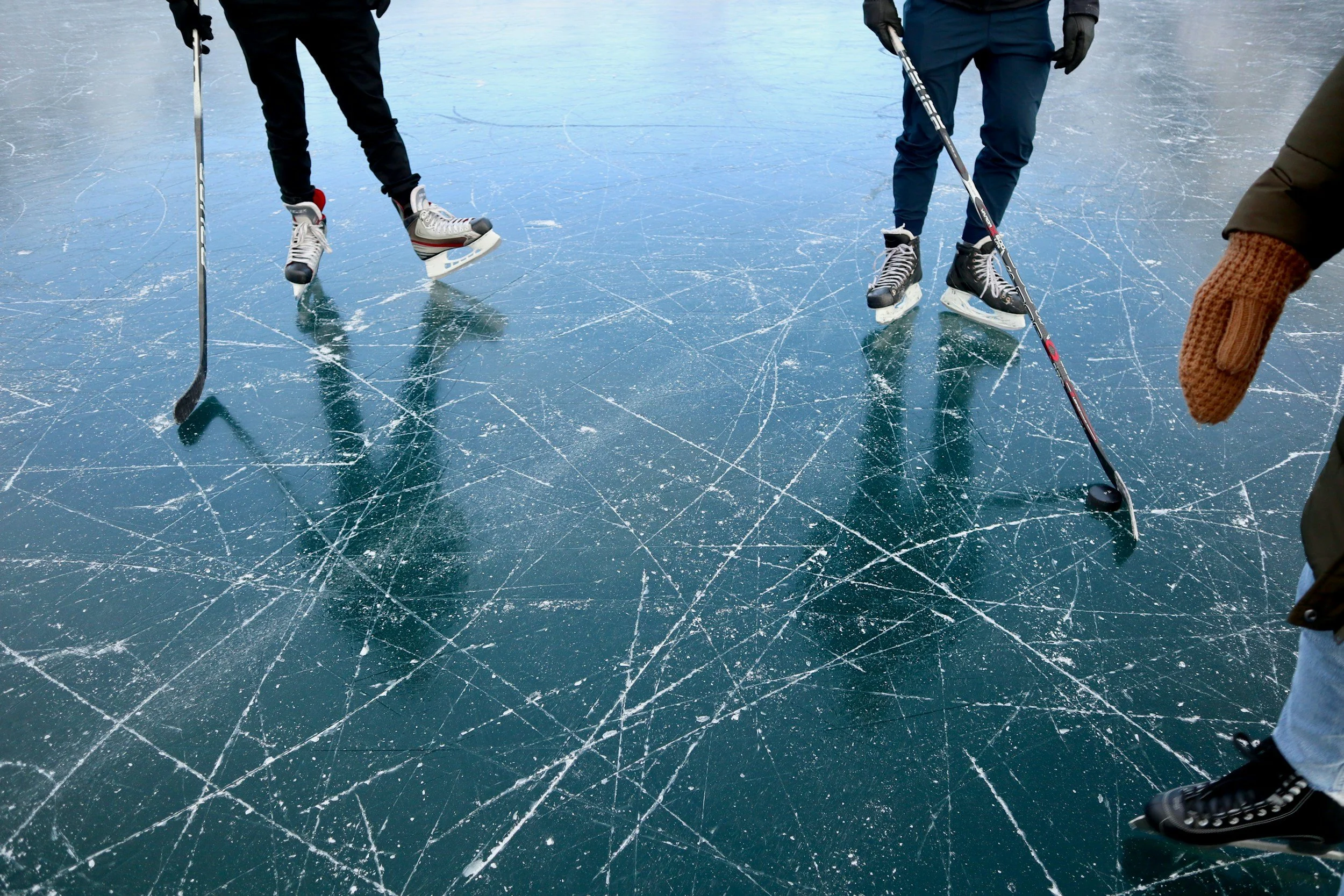
Winter sports commonly result in knee ligament injuries, meniscal tears, shoulder dislocations, wrist injuries, and low back strain. Physiotherapy provides structured rehabilitation that restores mobility, strength, and neuromuscular control while protecting healing tissues. Early intervention prevents compensatory movement patterns that can lead to chronic pain or secondary injuries. Treatment plans are individualized based on injury severity, sport demands, and seasonal timelines, ensuring safe progression without unnecessary delays.
Faster Return to Sport and Performance Optimization
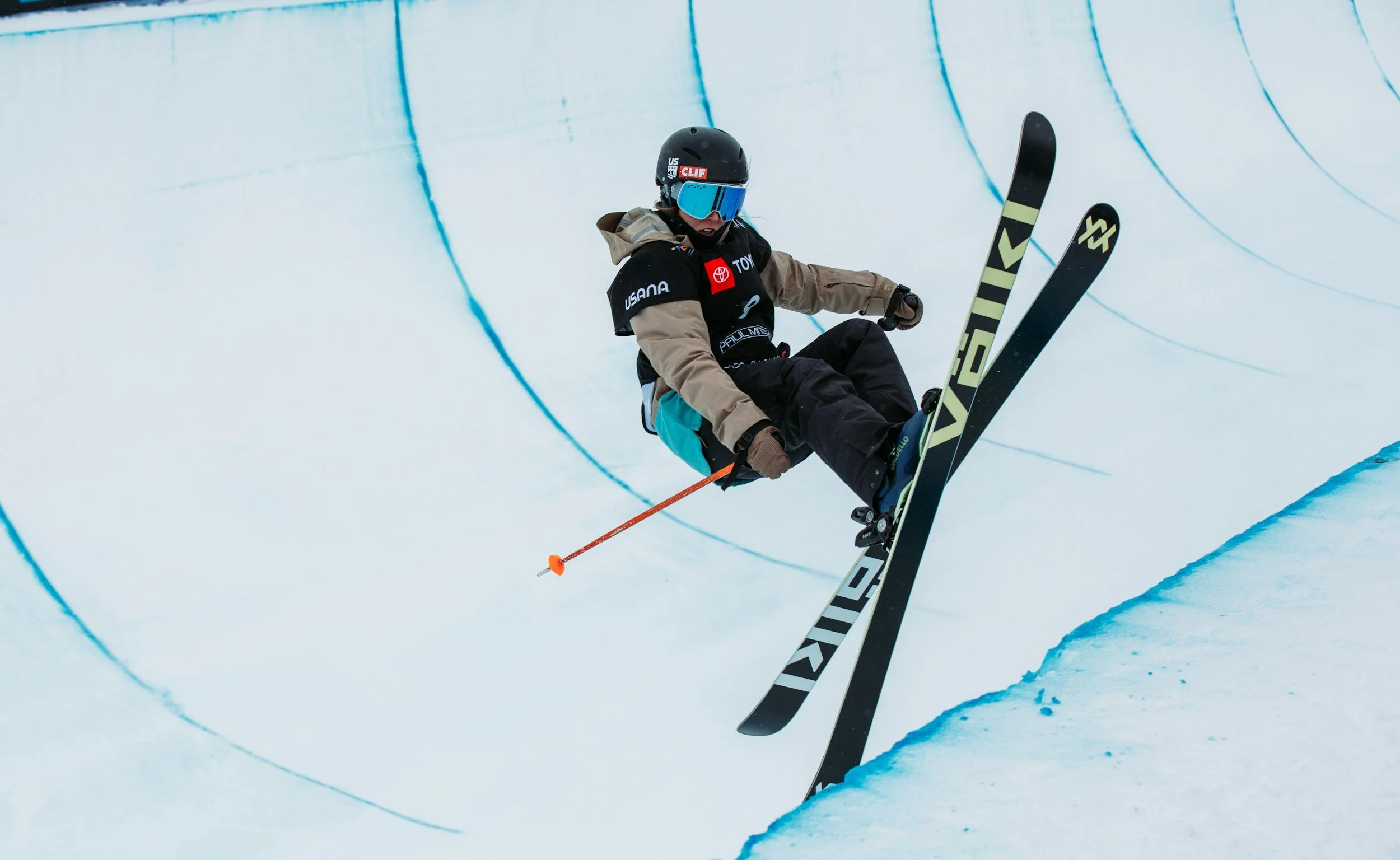
Physiotherapy extends beyond injury recovery by focusing on return-to-sport readiness and performance enhancement. Rehabilitation progresses from basic strength to high-speed, sport-specific movement under fatigue. Athletes retrain coordination, reaction time, and confidence through controlled exposure to real-world demands. Many individuals experience improved performance after physiotherapy due to better mechanics, increased efficiency, and reduced energy loss during movement.
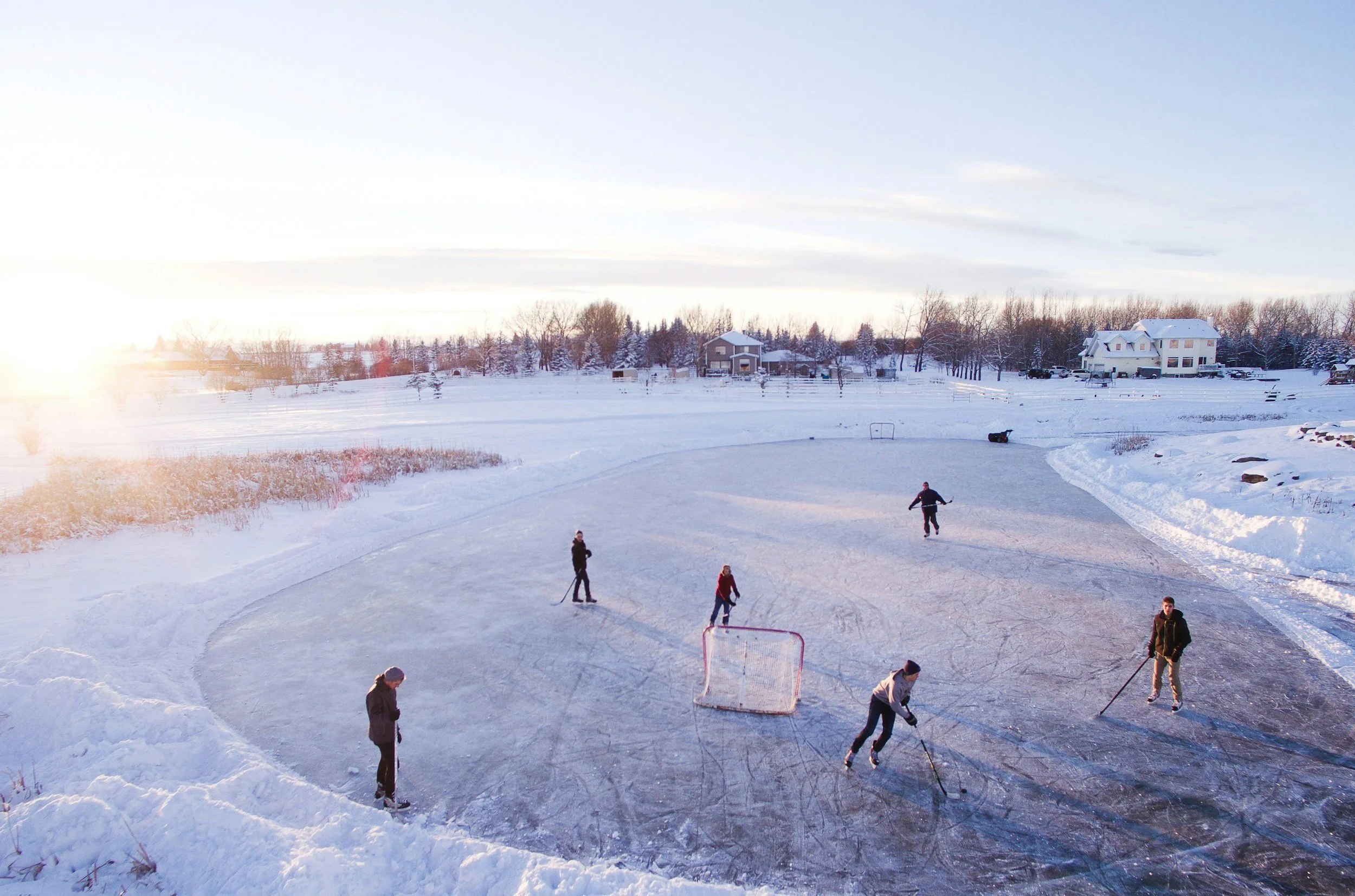
Winter sports injuries are rarely random. They result from identifiable deficits in strength, mobility, balance, and preparation compounded by cold conditions. Physiotherapy provides evidence-based strategies for injury prevention, recovery, and performance optimization, allowing participants to stay active, resilient, and confident throughout the winter season.
References
Emery CA, Meeuwisse WH, McAllister JR. A prevention strategy to reduce the incidence of injury in high school basketball: a cluster randomized controlled trial. *Clin J Sport Med*. 2007;17(1):17-24.
Myer GD, Ford KR, Brent JL, Hewett TE. The effects of plyometric versus dynamic stabilization and balance training on lower extremity biomechanics. *Am J Sports Med*. 2006;34(3):445-455.
Bahr R, Krosshaug T. Understanding injury mechanisms: a key component of preventing injuries in sport. *Br J Sports Med*. 2005;39(6):324-329.
Bere T, Flørenes TW, Krosshaug T, et al. Injury mechanisms in world cup alpine skiing: a systematic video analysis of 20 cases. *Am J Sports Med*. 2011;39(7):1421-1429.
Ruedl G, Sommersacher R, Woldrich T, et al. Injury prevention strategies in winter sports. *Open Access J Sports Med*. 2015;6:147-156.