Rehab After Immobilization: What Happens When You’re Benched
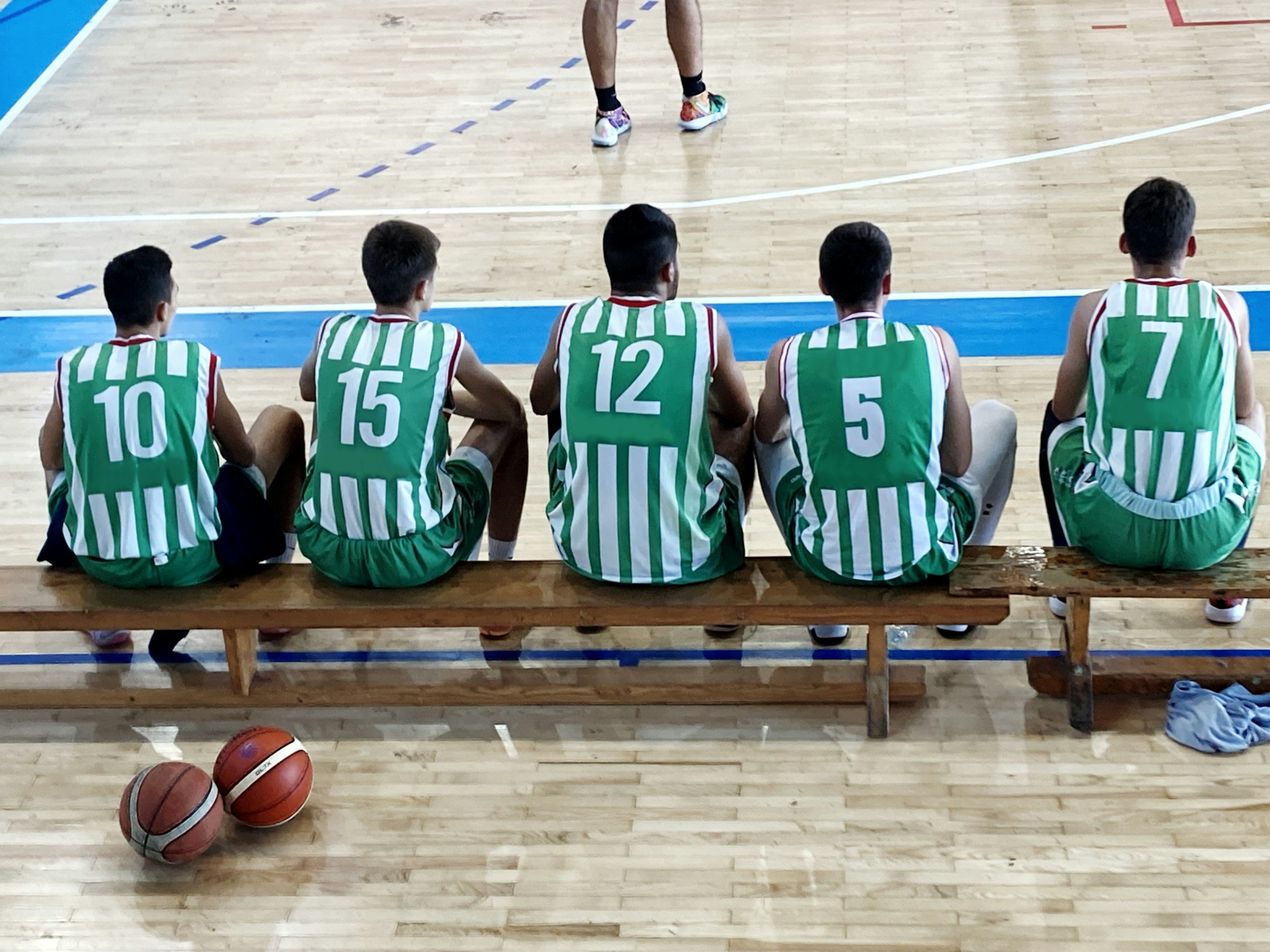
Extended immobilisation of a joint or limb—whether following surgery, injury, or enforced rest—carries predictable sequelae: muscle atrophy, joint stiffness, reduced proprioception and diminished functional capacity. The transition back into movement is critical. Evidence supports structured rehabilitation involving progressive loading, joint mobilisation and neuromuscular re-education. For a multidisciplinary clinic offering physiotherapy, chiropractic and osteopathy/massage, coordinating this transition is essential to optimise outcomes. This article reviews the evidence, outlines key rehabilitation phases, and explains how each discipline contributes.
Physiological Effects Of Immobilization And Early Mobilization Evidence
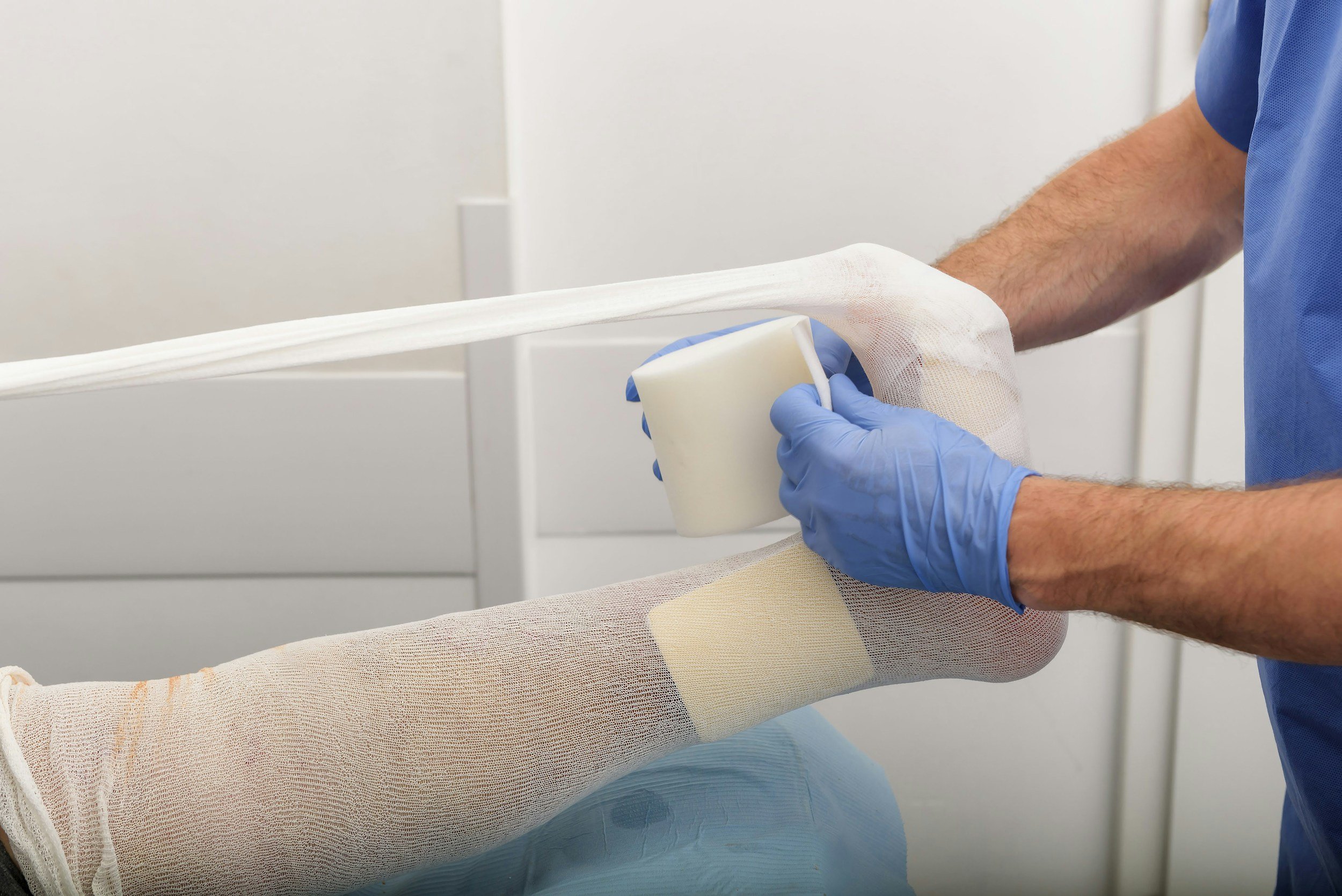
Cast immobilisation leads to joint capsule stiffness, cartilage loading deprivation, muscle atrophy and neural de-conditioning. Studies on ankle fracture rehabilitation show mixed outcomes for supervised exercise vs advice alone: e.g., Moseley et al. (2015) found no difference in activity limitation or quality of life between supervised exercise plus advice versus advice alone after isolated ankle fracture. Another RCT demonstrated that adding joint mobilization to exercise after cast removal improved outcome. These findings suggest that while rehabilitation is required, the design and timing of interventions matter.
Physiotherapy focuses on restoring ROM, strength, proprioception, neuromuscular control, and designing phased loading protocols for post-immobilisation limbs.
Chiropractic addresses joint mobility restrictions, segmental adaptations (spine or adjacent joints) that may have altered due to compensatory patterns during immobilisation, and ensures the structural system is primed for rehab.
Massage/Osteopathy manage soft-tissue changes (e.g., fibrotic fascia, scar tissue, reduced gliding) that emerge post-immobilisation and can impede restoration of movement and function.

Rehabilitation Phases: Assessment, Mobilize, Strengthen, Functional Integration
Rehab post-immobilisation proceeds in phases: initial assessment (joint mobility, muscle atrophy, proprioception, functional status), mobilisation (manual and guided movement), strengthening (progressive loading), functional integration (task-specific movements, return to activity). For instance, Painter et al. (2015) found that greater dorsiflexion ROM at cast removal predicted better long-term outcomes, emphasizing early ROM is critical.
Physiotherapy leads the progression: designing exercises for mobility → strength → load → functional tasks, monitoring progress and adjusting.
Chiropractic may intervene in the mobilisation phase to restore joint-by-joint mobility (adjacent spinal segments, pelvis, lower limb chain) that may impede rehab if restricted.
Massage/Osteopathy support all phases via soft-tissue release, scar mobilisation, myofascial techniques, and can assist with functional integration by preparing tissues for increased loading.
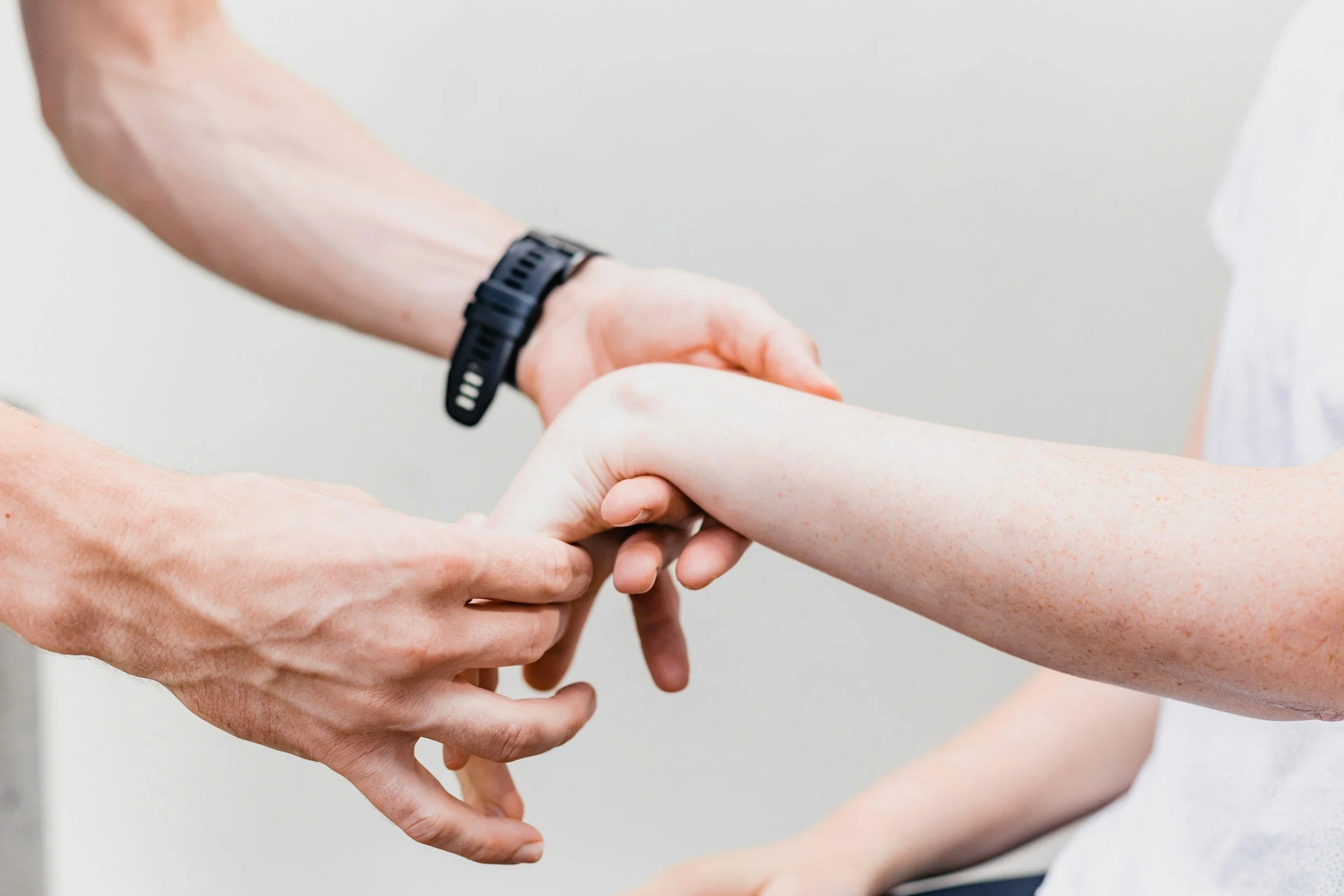
Integration Of Multiple Disciplines In Modulating Tissue Response And Preventing Secondary Issues
Post-immobilization rehab is not just about the affected joint; compensatory patterns may emerge elsewhere (e.g., contralateral limb overuse, spine extension to offload limb, altered gait). An integrated model is required to identify and rectify these compensations. The review by Kelly (2024) documents how diverse approaches to rehabilitation after major musculoskeletal injury emphasize holistic care across nations.
Physiotherapy monitors global movement patterns, ensures the limb reintegration does not generate maladaptive compensations, and works with functional training.
Chiropractic checks spinal, hip and knee mobility and alignment issues arising from compensatory strategies during immobilisation, and performs targeted adjustments.
Massage/Osteopathy address soft-tissue imbalance across the kinetic chain, reduce muscular guarding, and facilitate symmetrical loading as the limb returns to function
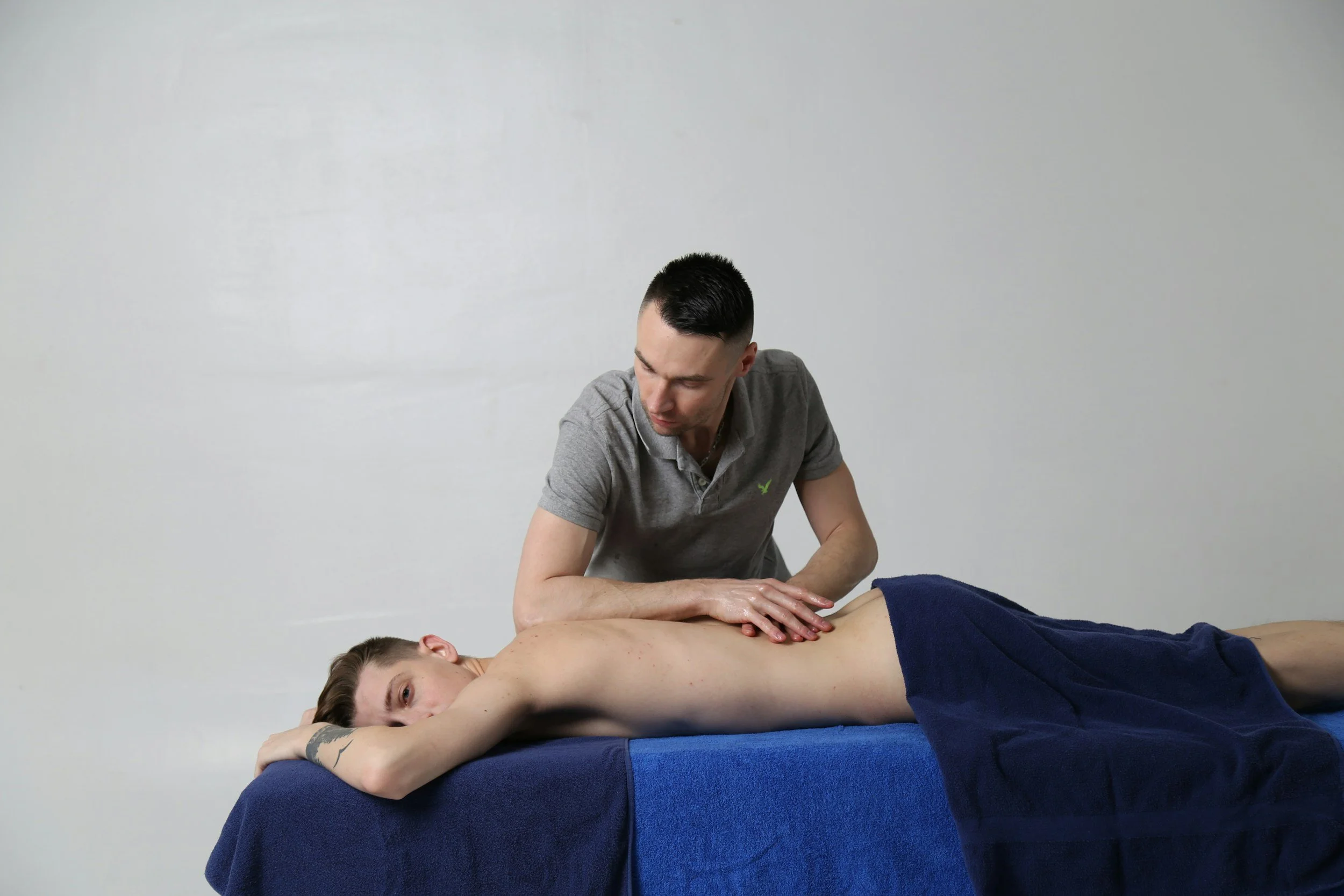
Clinical Workflow, Patient Education And Outcome Tracking
At MediOne Physio & Rehab, we set clear rehabilitation milestones (e.g., joint ROM targets, strength ratios, functional movement benchmarks), track progress (through objective measures such as ROM, strength, balance, gait), and educate patients about the specific risks of immobilization (atrophy, stiffness, joint degeneration). For example, adding mobilization with movement to exercise improved outcomes after cast removal for distal radius fracture in Reid et al. (2020). Each discipline contributes to the workflow: physiotherapy sets the plan and monitors progress; chiropractic flags structural or alignment issues; massage/osteopathy refer to tissue readiness and patient comfort/adherence.
Physiotherapy uses outcome metrics (ROM, strength, functional scales) and schedules periodic retesting.
Chiropractic integrates structural assessments at key time-points (e.g., at start, mid-rehab, before return to full activity) to ensure readiness.
Massage/Osteopathy monitor soft-tissue response, adjust session frequency based on patient load, and educate on soft-tissue self-care reload.
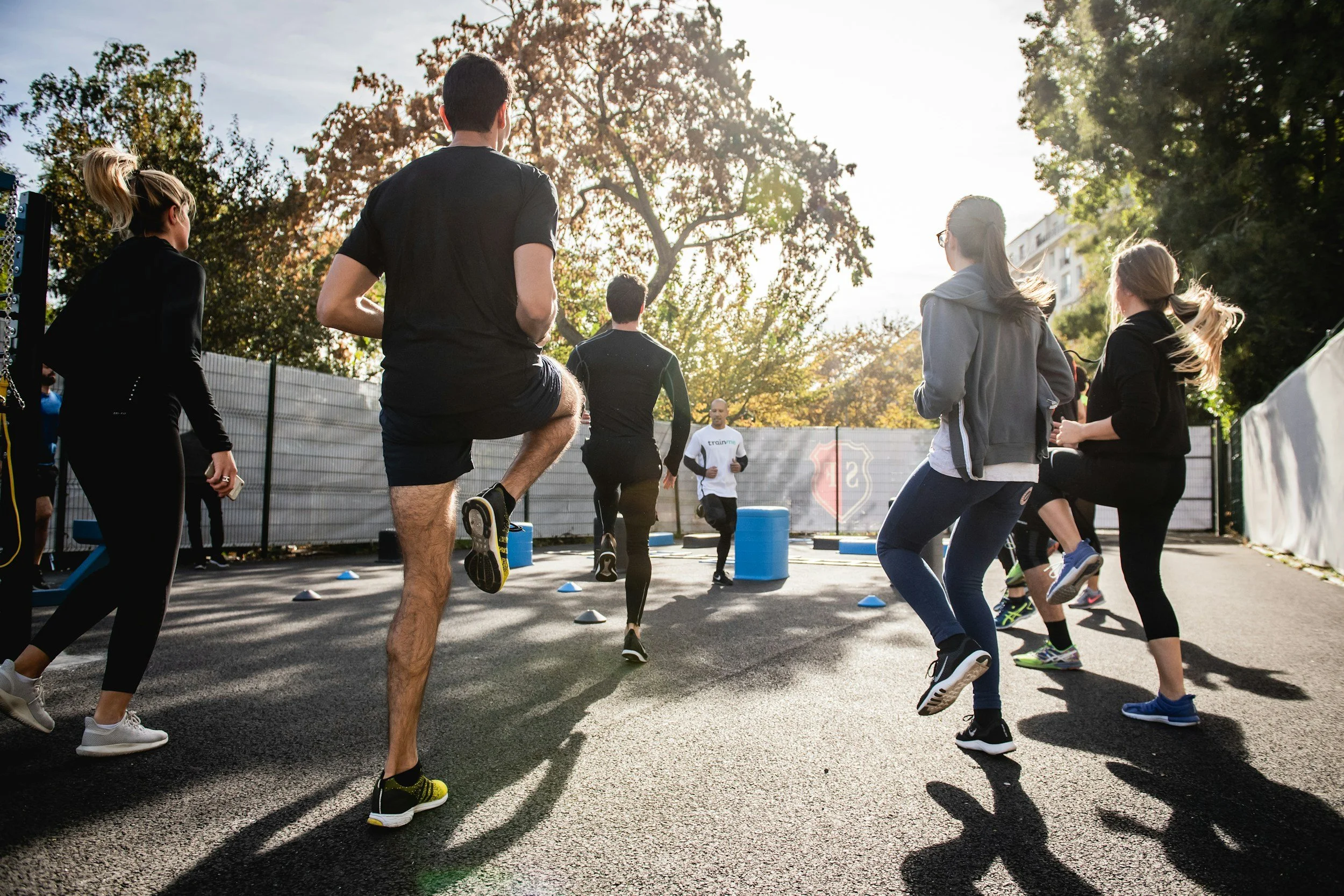
Rehabilitation after immobilization demands a structured, phased, multidisciplinary approach. By coordinating physiotherapy, chiropractic and massage/osteopathy services, clinics can reduce adverse effects of immobilization (atrophy, stiffness, compensations), facilitate smooth loading progression and optimize return to function. Embedding clear workflows, measurement and inter-discipline communication ensures higher-fidelity outcomes.
References
Kelly, M. (2024). Rehabilitation after musculoskeletal injury: European perspectives. OTA International.
Moseley, A. M., et al. (2015). Rehabilitation after immobilization for ankle fracture: the EXACT randomized clinical trial. JAMA, 314(14), 1477-1485.
Painter, E. E., et al. (2015). Manual physical therapy following immobilization for … Journal of Orthopaedic & Sports Physical Therapy.
Reid, S. A., et al. (2020). Adding mobilisation with movement to exercise and advice for distal radius fracture rehabilitation – a trial. Musculoskeletal Science & Practice.