What Your Grip Can—and Can’t—Tell You About Healthy Aging
Opening a stubborn jar, carrying grocery bags, lifting a suitcase: grip strength shows up in ordinary life long before most of us think of it as a health measure. Researchers, however, have studied it for decades because a quick squeeze on a handheld dynamometer can offer a useful snapshot of overall strength and physical reserve.
The intriguing part is the association with healthspan. The important part is understanding what that association does—and does not—mean.
Why Researchers Pay Attention to Grip
Grip strength is inexpensive, fast and easy to measure consistently. It also reflects more than the small muscles of the hand. Producing a strong squeeze requires functioning muscles, nerves, joints and energy systems. That makes grip a practical indicator of how the body is doing as a whole.
In the large international PURE study, lower grip strength predicted all-cause and cardiovascular mortality and was a stronger predictor of death than systolic blood pressure in that cohort (Leong et al., 2015). A meta-analysis of 42 prospective studies involving more than three million people similarly found that every 5-kilogram decrease in grip strength was associated with a 16% higher risk of all-cause mortality and a 21% higher risk of cardiovascular disease (Wu et al., 2017).
Those numbers are striking, but they describe association, not destiny. A weaker grip does not prove that weak hands cause illness, and a stronger grip is not a guarantee of a longer life. Grip may be picking up the combined effects of activity level, muscle mass, nutrition, illness and aging.

Think “Dashboard Light,” Not “Life-Expectancy Test”
A grip result is best understood like a dashboard light: it can signal that a closer look may be useful. It is not a diagnosis on its own.
Interpretation also depends on age, sex, body size, testing technique and the reference values being used. A clinician or trained professional can measure grip with a dynamometer and compare the result with an appropriate population. More important than chasing a universal target may be watching for a meaningful decline over time—especially if it arrives with fatigue, unintentional weight loss, falls, difficulty climbing stairs or trouble doing daily tasks.
Because illness, pain and recent injury can affect a test, one low measurement should not trigger panic. It should start a conversation.
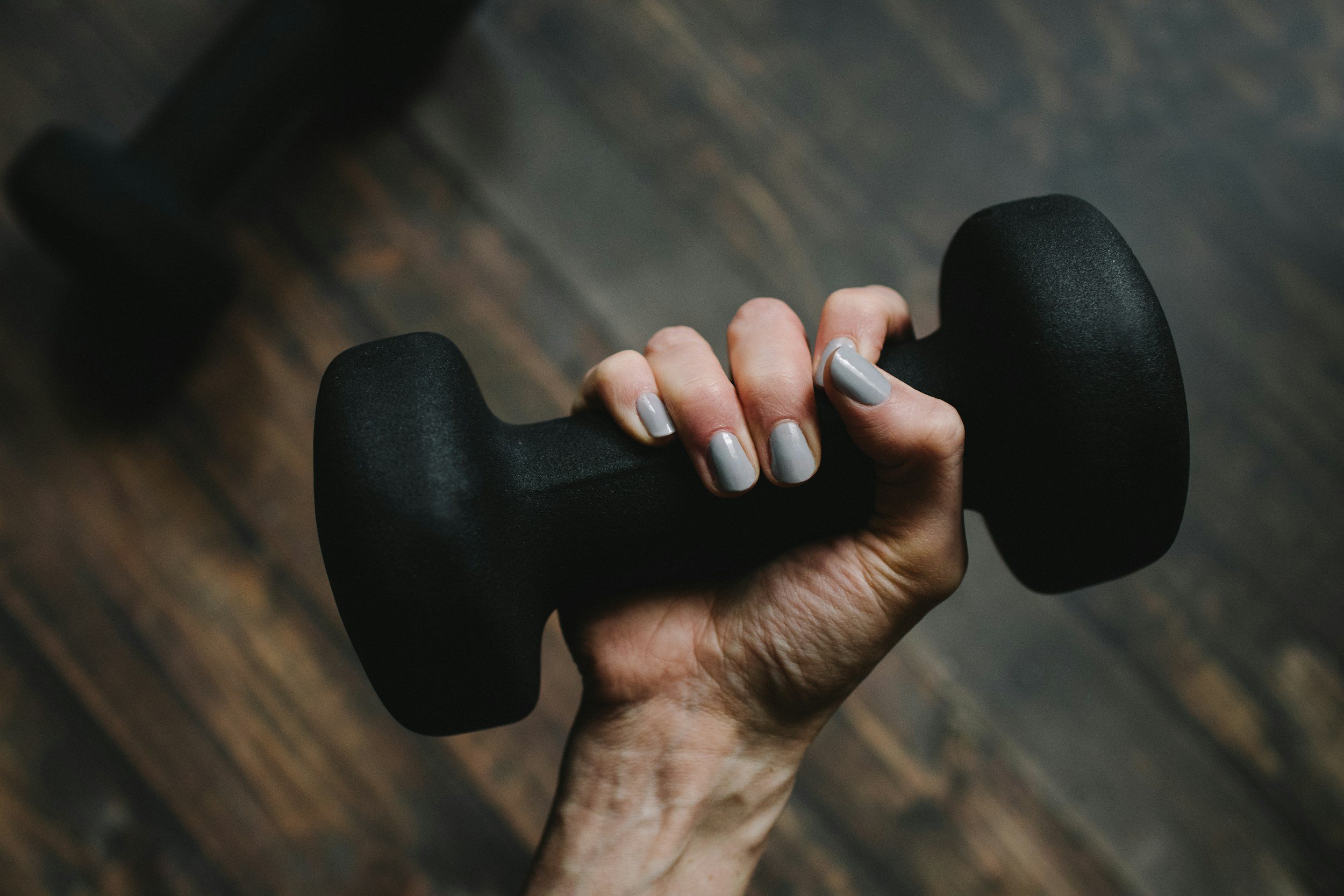
Should You Train Only Your Hands?
Probably not. If lower grip is often a marker of lower whole-body strength, squeezing a hand gripper in isolation misses the larger opportunity.
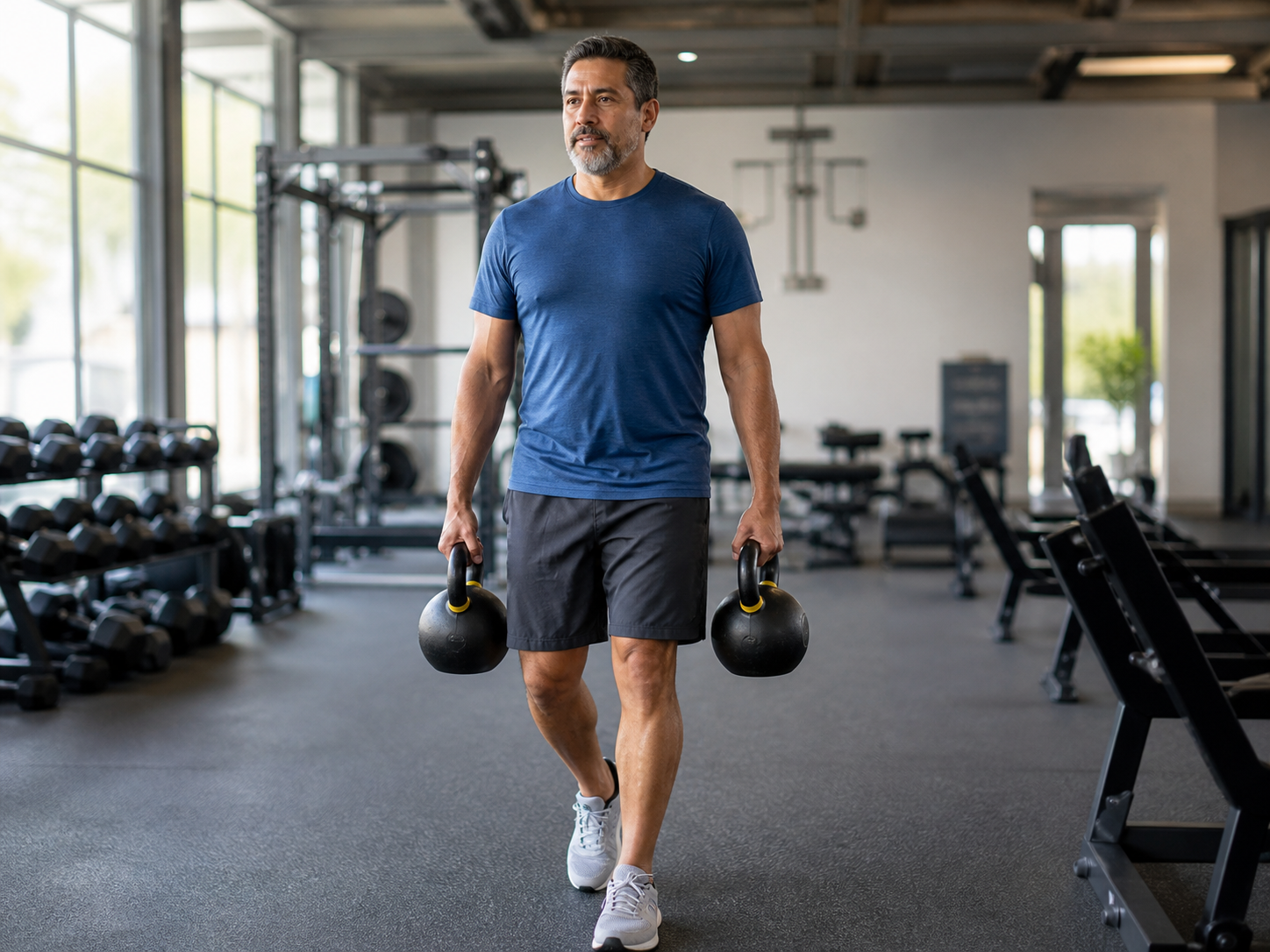
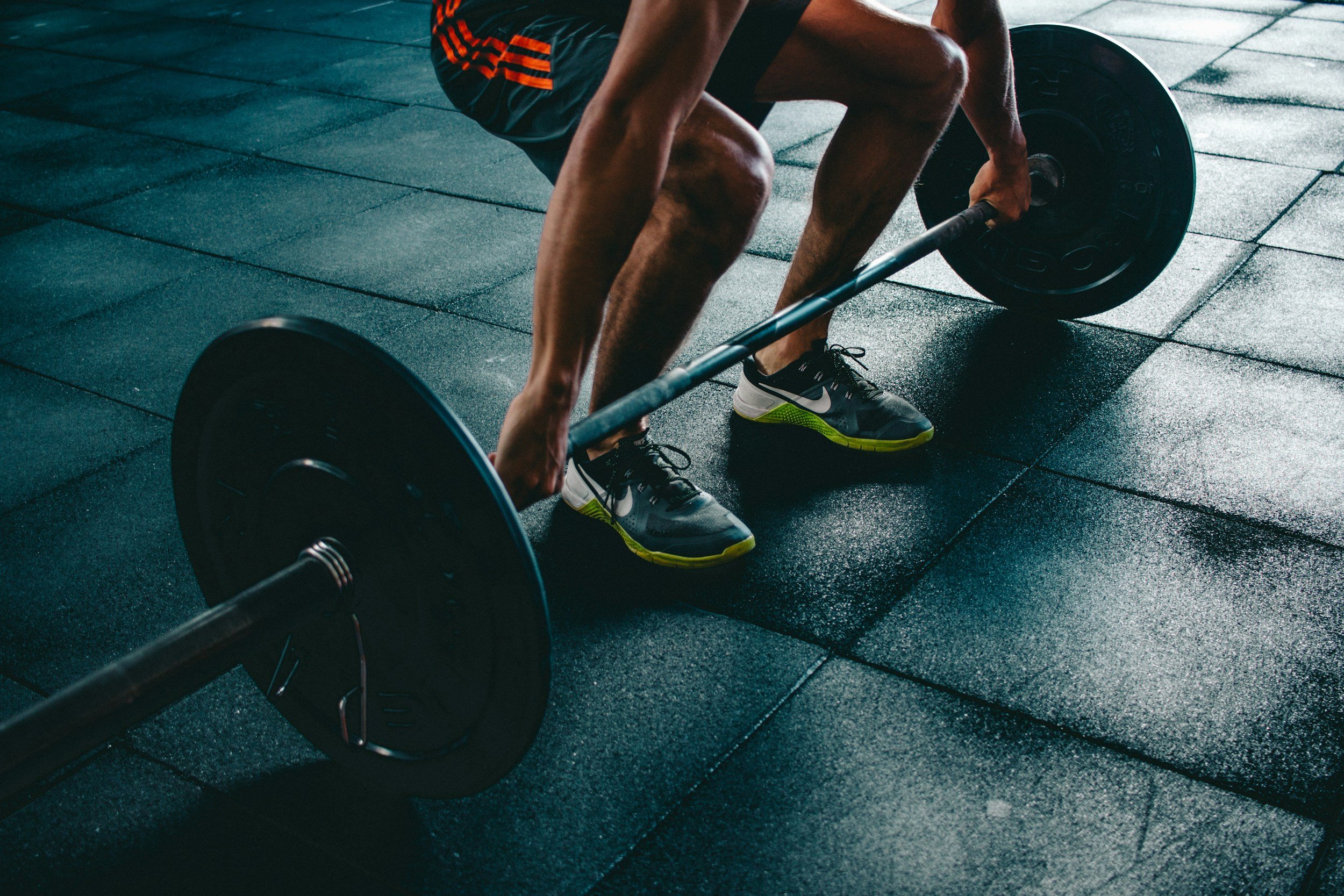
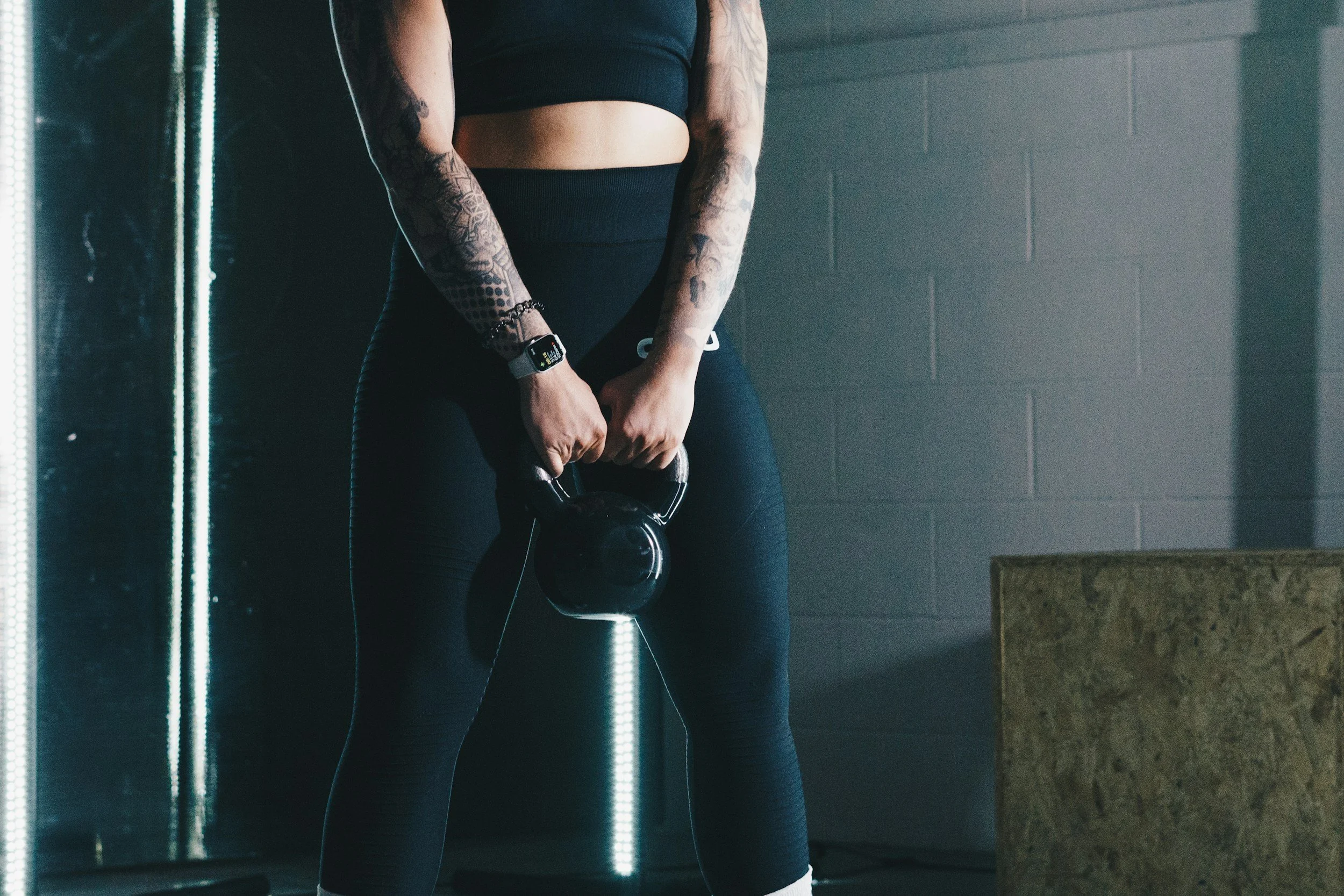
Progressive resistance training challenges the major muscle groups and can improve strength and physical function across adulthood. Exercises that involve holding, carrying, pulling and lifting also train the grip naturally. Rows, loaded carries, deadlift variations and even well-scaled household carries recruit the hands while building the back, hips, legs and trunk.
A sensible routine might include:
Two or more weekly strength sessions that cover the major muscle groups
A squat or sit-to-stand pattern
A push, such as a wall push-up or chest press
A pull, such as a resistance-band row
A hip-hinge movement, taught with good technique
A loaded carry that is light enough to control without leaning or holding your breath
Start with resistance that allows smooth, pain-free repetitions. Increase the load or difficulty gradually. If you are new to exercise, have a heart condition, experience dizziness or chest symptoms, or have hand, wrist or shoulder pain, ask a healthcare professional or qualified exercise professional how to adapt the plan.
The Habits Behind Stronger Aging
Strength training works best as part of a broader foundation. Adequate protein and overall nutrition support muscle repair; regular aerobic activity supports cardiovascular health; sleep supports recovery; and balance work can help reduce falls. Smoking cessation and management of blood pressure, cholesterol and blood sugar remain central to disease prevention.
That is why grip is useful: it can make an abstract goal such as “healthy aging” feel concrete. But the goal is not to win a hand-squeeze contest. It is to preserve the capacity to get up, carry, reach, climb and participate in the life you want.
A Practical Next Step
Notice whether everyday carrying and opening tasks have become harder. If they have, mention the change at your next appointment. Ask whether a grip or broader strength assessment would add useful information, and whether any new weakness needs evaluation.
Then put the focus where it belongs: building whole-body strength safely and consistently. Your hands may provide a clue, but your entire body benefits from the answer.
*This article is for general education and does not replace personalized medical advice.
References
Leong, D. P., Teo, K. K., Rangarajan, S., Lopez-Jaramillo, P., Avezum, A., Jr., Orlandini, A., Seron, P., Ahmed, S. H., Rosengren, A., Kelishadi, R., Rahman, O., Swaminathan, S., Iqbal, R., Gupta, R., Lear, S. A., Oguz, A., Yusoff, K., Zatonska, K., Chifamba, J., … Yusuf, S. (2015). Prognostic value of grip strength: Findings from the Prospective Urban Rural Epidemiology (PURE) study. The Lancet, 386(9990), 266–273. https://doi.org/10.1016/S0140-6736(14)62000-6
Wu, Y., Wang, W., Liu, T., & Zhang, D. (2017). Association of grip strength with risk of all-cause mortality, cardiovascular diseases, and cancer in community-dwelling populations: A meta-analysis of prospective cohort studies. Journal of the American Medical Directors Association, 18(6), 551.e17–551.e35. https://doi.org/10.1016/j.jamda.2017.03.011