

Running Season Readiness: Injury-Proofing Before You Start
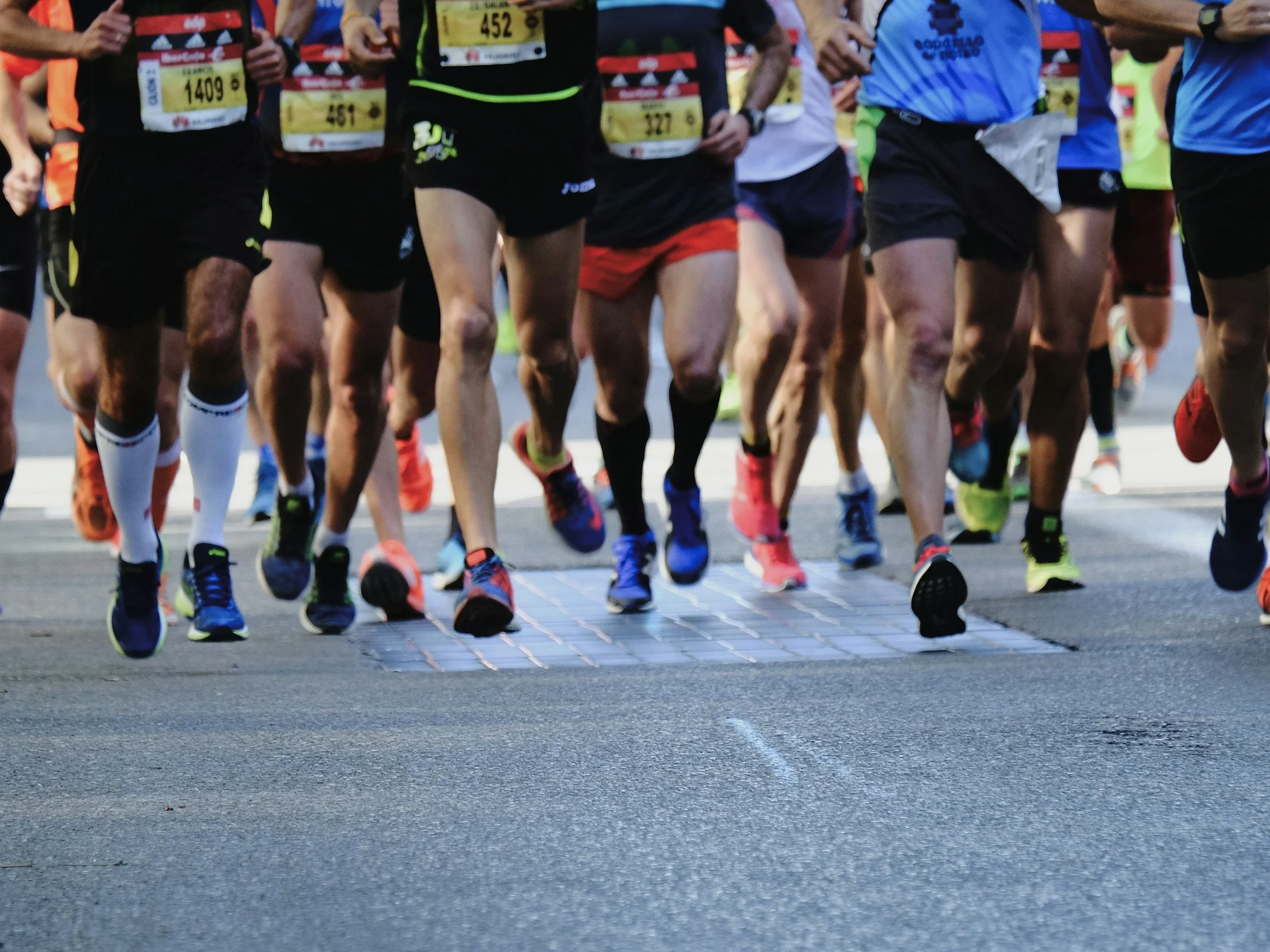
Running is a high-impact, repetitive activity requiring coordinated load distribution across joints and tissues. Injury risk increases when mechanical inefficiencies combine with rapid increases in training volume. The most common conditions—patellofemoral pain, plantar fasciitis, Achilles tendinopathy—are all load management failures rather than isolated injuries.
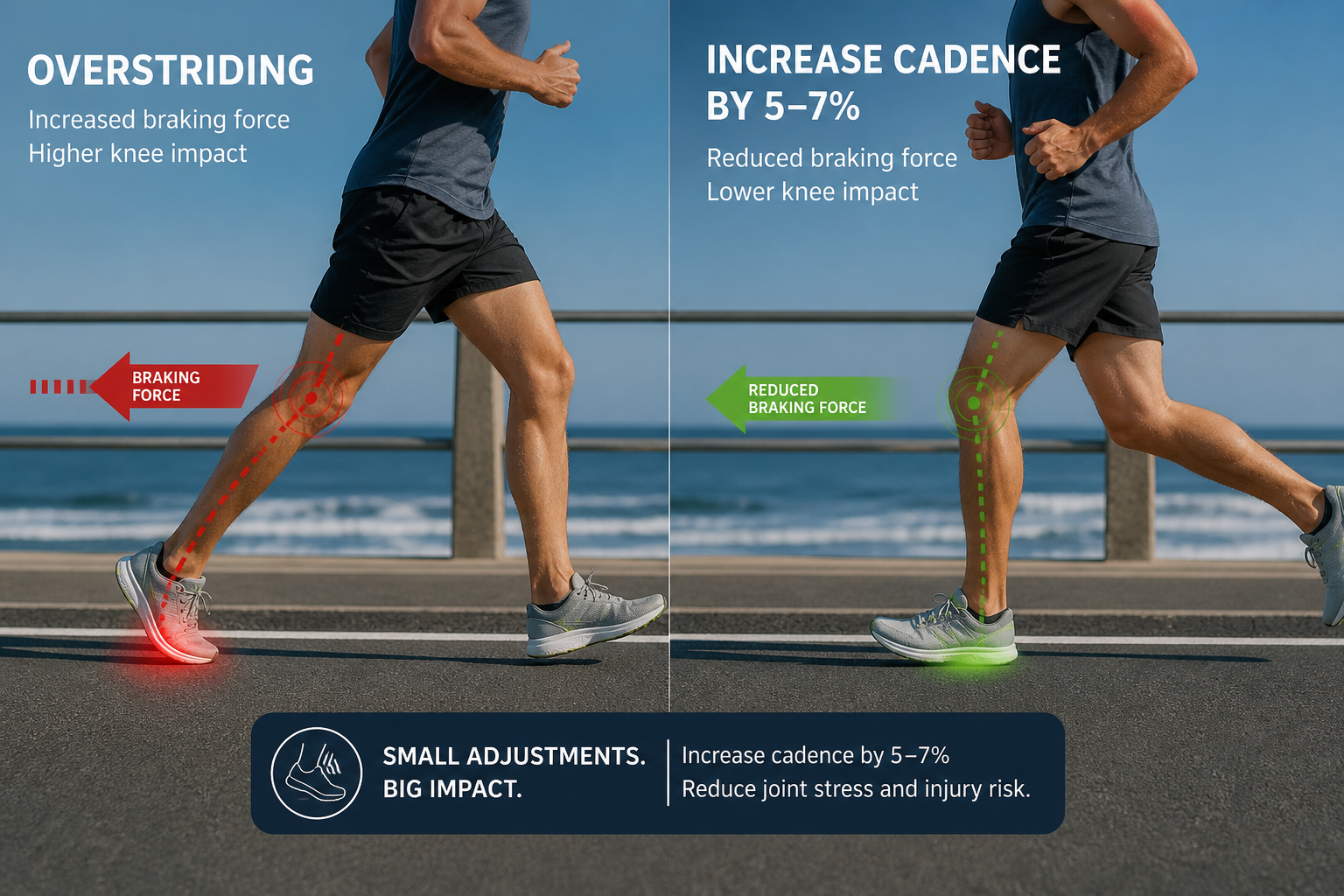
Stride mechanics significantly influence joint stress. Overstriding increases braking forces and elevates impact loading at the knee. Increasing cadence by 5–7% reduces these forces and improves efficiency. Small biomechanical adjustments can produce meaningful reductions in injury risk.

Strength capacity determines how well forces are absorbed. Weak calves increase strain on the plantar fascia and Achilles tendon. Weak hips lead to poor knee alignment and increased patellofemoral stress. Strength training is not optional; it is a primary injury prevention strategy.
Progression must be structured and gradual. Walk-run programs allow tissues to adapt incrementally. Increasing both distance and speed simultaneously is a common error that leads to overload. Consistency matters more than intensity in early phases.
Environmental factors also influence injury risk. Rotating footwear changes load distribution. Running on varied surfaces introduces adaptive stress, improving resilience. Uniform loading patterns increase the likelihood of overuse injury.
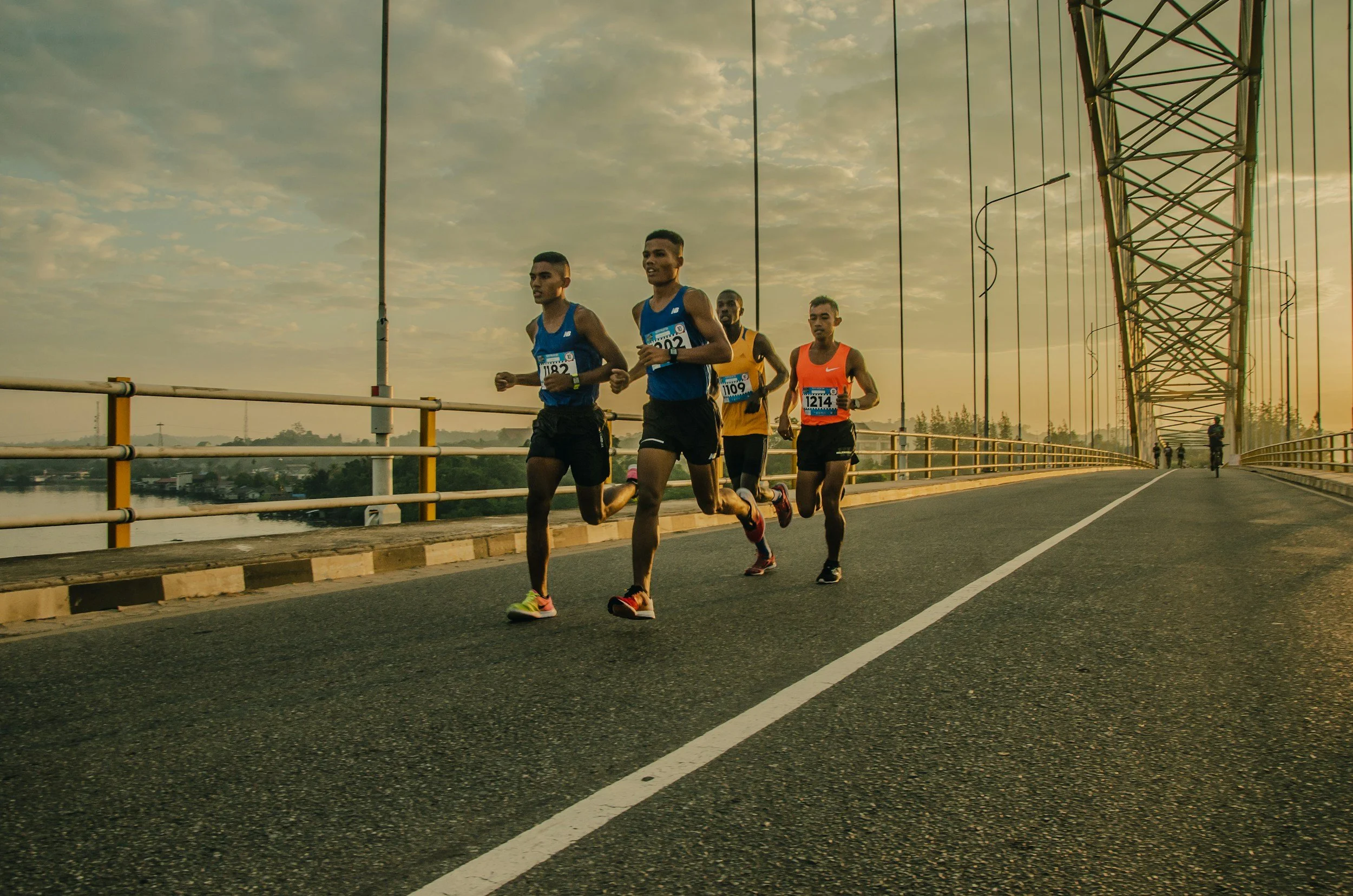
Practical Application (Running Prep Exercises)
Single-Leg Calf Raises (3 sets of 12–15)
Builds lower leg endurance and tendon capacityStep-Downs (3 sets of 8 each side)
Improves knee tracking and controlLateral Band Walks (2–3 sets of 15 steps)
Targets hip stabilityCadence Adjustment
Increase step rate slightly using metronome (5–7%)Walk-Run Program
Start 1:2 run-to-walk ratio, progress weekly
References
Napier, C., et al. (2015). Br J Sports Med, 49(17), 1076–1080.
Barton, C. J., et al. (2013). Sports Med, 43(7), 561–571.
van der Worp, M. P., et al. (2015). Br J Sports Med, 49(6), 371–379.
Lauersen, J. B., et al. (2014). Br J Sports Med, 48(11), 871–877.
Willy, R. W., & Davis, I. S. (2011). Clin Biomech, 26(1), 78–83.
Hreljac, A. (2004). Med Sci Sports Exerc, 36(5), 845–849.